
Weather Disaster Recovery & Business Continuity Planning
From hurricanes and floods to ice storms and tornadoes, Agility gives businesses the resources and plans to stay operational before, during, and after severe weather.
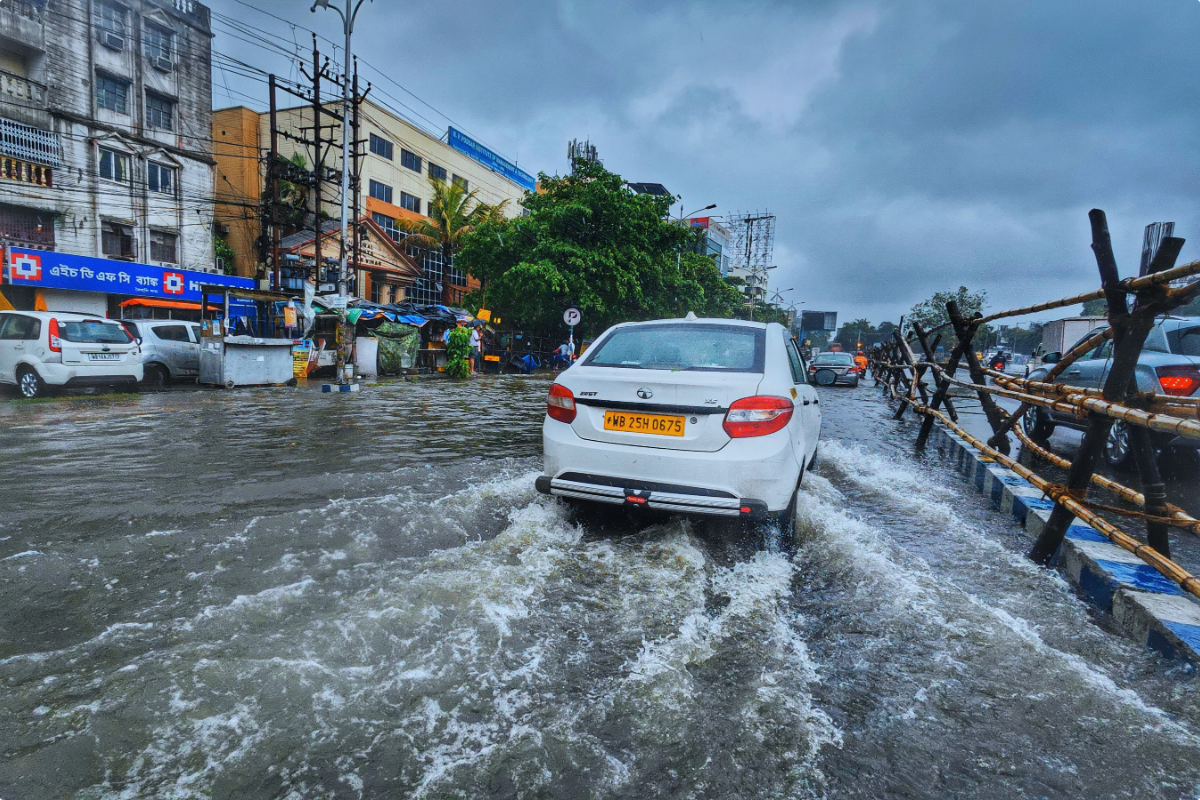











Weather Is an Unpredictable Threat With Predictable Consequences
The operational impact extends well beyond physical damage. Power outages disable critical systems. Grid instability creates unpredictable recovery timelines. Flooding damages equipment and forces facility closures. Communication network failures leave teams disconnected and customers without updates. Supply chain disruptions compound the initial event, extending downtime long after the storm passes.
For many organizations, a single severe weather event is enough to trigger lasting financial and reputational damage. FEMA estimates that 40% of small businesses never reopen after a disaster. For those that do, the difference is rarely luck; it’s preparation.
Agility’s Weather Resilience Solutions

Backup Power & Fuel Delivery
Maintain critical systems like power, lighting, and connectivity when the grid fails. Agility pre-positions generators and arranges priority fuel delivery so your operations stay live when local infrastructure goes down.

Communications & Connectivity
Satellite, LTE, and redundant internet keep teams connected when local networks fail. Agility ensures your people can communicate internally and with customers, vendors, and emergency contacts throughout a weather event.

Workspace Recovery
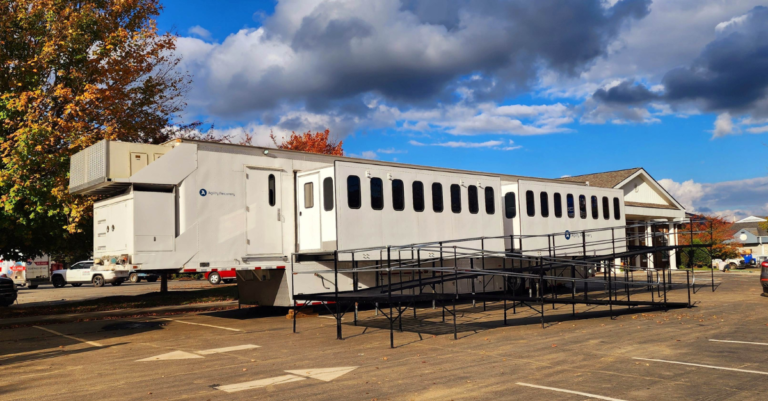
When your facility is inaccessible or damaged, Agility rapidly deploys alternate workspace so critical teams can keep working. Mobile command centers and temporary office space are deployable across North America.

Technology & Data Recovery
Ensure critical systems and data are backed up and restorable to minimize operational disruption after power loss or facility damage. Agility helps protect the technology infrastructure your teams depend on daily.
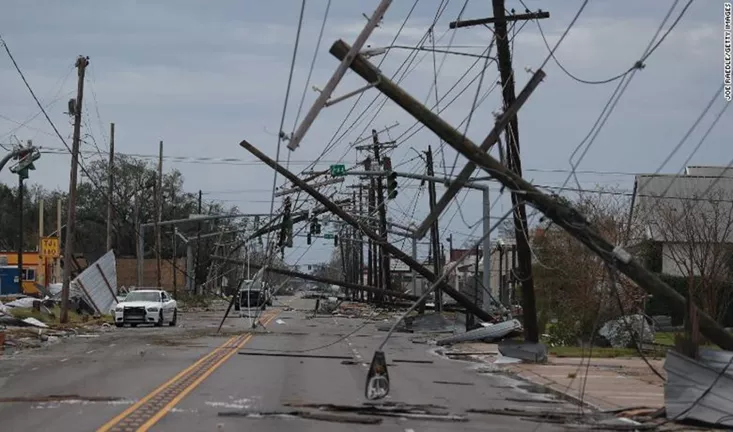
Fast Recovery from Hurricane Laura
SVP, Contingency Planning and Security, Regional Bank
Cal State San Bernardino Recovers from Intense Flooding
Talk to a Disaster Recovery Expert
Weather Disaster & Disruption Resources

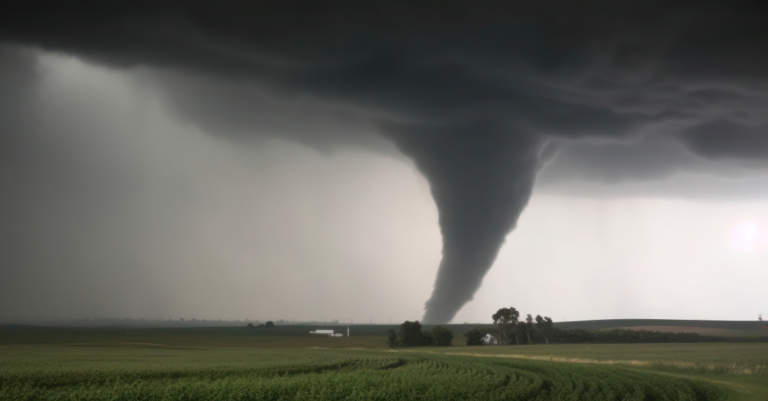
Stay Operational When Severe Weather Strikes
Preparation is the only thing that separates a manageable disruption from an extended outage. Agility gives businesses the resources, planning, and support to weather any storm.
Frequently Asked Questions
- How quickly can Agility Recovery support our business during a weather disaster? +
-
Speed matters most when regional demand for power, connectivity, and workspace resources spikes. Agility pre-plans and stages continuity solutions in advance with your team, allowing us to deploy rapidly when a storm or severe weather event occurs. Customers who plan ahead gain prioritized access to resources, reducing downtime and recovery delays when conditions are most challenging.
- What types of weather disruptions does Agility help businesses prepare for? +
-
Agility helps businesses prepare for a broad range of weather-related disruptions, including hurricanes and tropical storms, tornadoes, flooding and flash floods, winter storms and ice events, wildfires, and severe thunderstorms. Each event type carries different operational risks from power outages and facility damage to supply chain disruption and workforce inaccessibility. Agility's continuity planning addresses the specific vulnerabilities each scenario creates for your organization.
- What should be in a weather disaster continuity plan for businesses? +
-
A weather disaster continuity plan should cover four core areas: risk assessment, which identifies the weather threats most likely to affect your location and operations; resource planning, which ensures backup power, connectivity, and workspace are arranged before an event; communication protocols, which define how teams, customers, and vendors are notified and updated during a disruption; and recovery procedures, which outline the steps to restore critical operations as quickly as possible. Testing the plan through tabletop exercises before a weather event occurs is equally important — plans that haven't been tested rarely perform as expected.
- How does severe weather affect business operations beyond physical damage? +
-
Physical damage is often the most visible impact of severe weather, but the operational consequences extend further. Power outages disable critical systems and halt production. Communication failures leave employees, customers, and vendors without reliable information. Supply chain disruptions delay inbound materials and outbound shipments long after the initial event. Workforce inaccessibility — when employees can't safely reach facilities — compounds recovery timelines. For businesses without continuity plans in place, these secondary effects often cause more total downtime than the weather event itself.