
Business Continuity Planning for Planned Inaccessibility and Facility Closures
Renovations, scheduled upgrades, and facility moves don’t have to stop operations. Agility keeps your teams productive and connected when your primary location isn’t available.











Planned Doesn’t Mean Simple
The difference with planned inaccessibility is that you know it’s coming. That window is an opportunity to prepare properly: to arrange alternate workspace, test remote access, stage technology and equipment, and brief teams before the closure date. Organizations that use that lead time well maintain productivity through the disruption. Those that don’t often find that a planned event creates unplanned downtime.
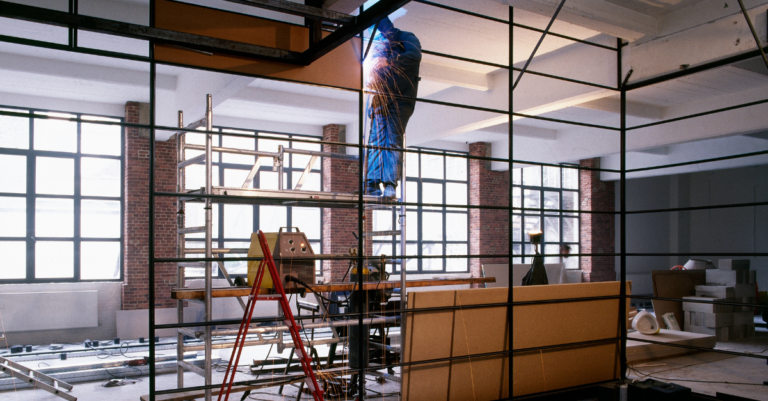
Planned inaccessibility events that require continuity planning include building renovations and remodels, infrastructure and utility upgrades, temporary relocations, scheduled facility moves, major system implementations, and events that restrict access to a physical location. Regardless of the cause, the goal is the same: keep people working and operations running until the primary facility is available again.
How Agility Maintains Productivity During Planned Closures

Work from Anywhere
Agility delivers power and connectivity directly to your team, wherever they need to be productive. Whether your workforce is distributed or centralized at a temporary location, Agility ensures the infrastructure is in place before the closure begins.

Workspace Recovery
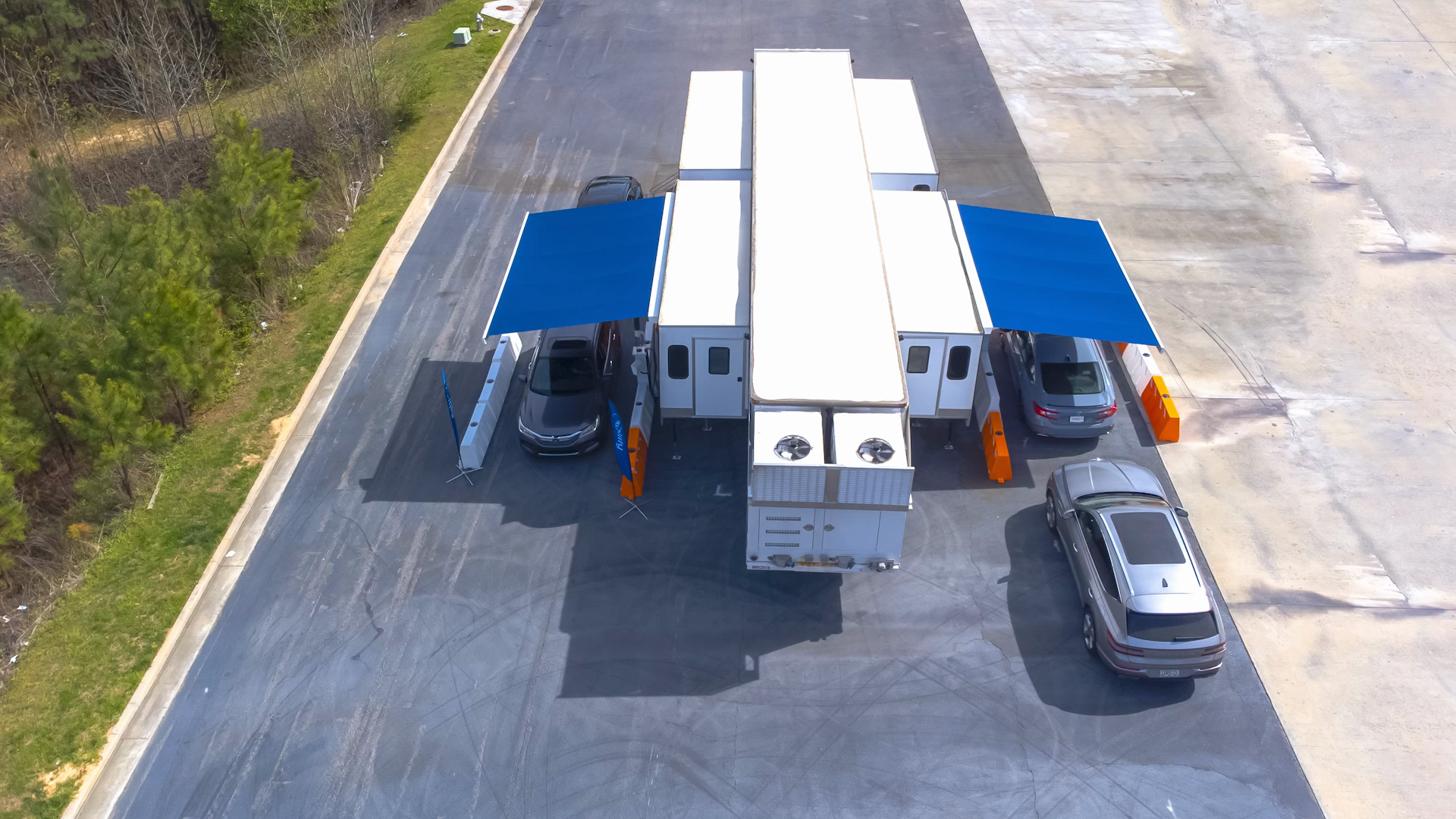
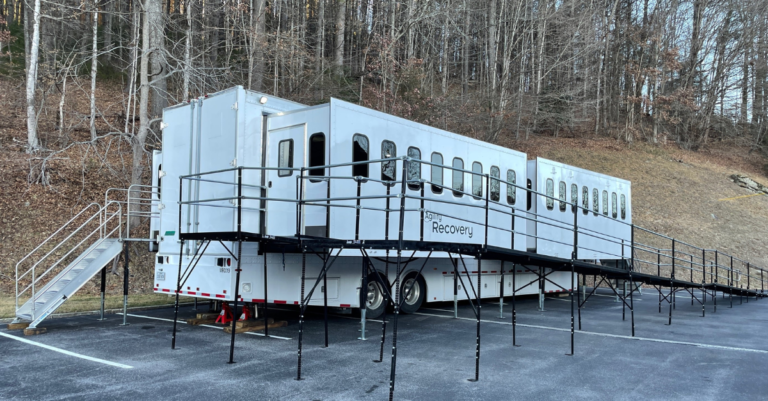
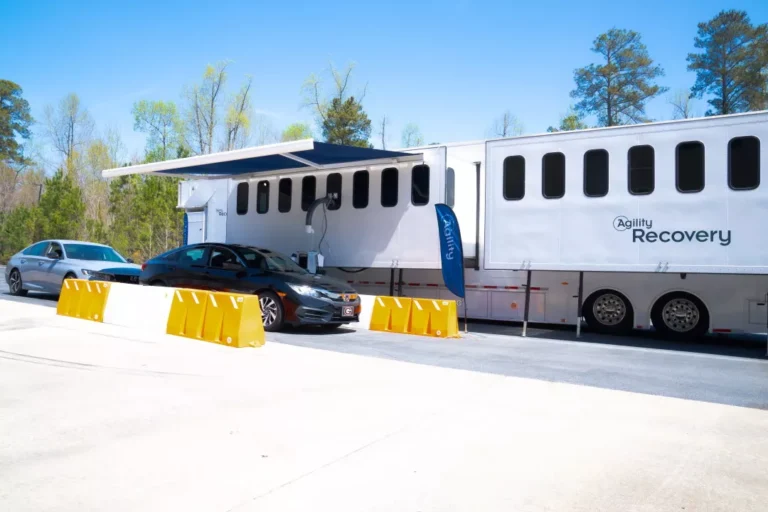
When your primary facility is unavailable, Agility provides fully equipped alternate workspace, including mobile recovery units, temporary office space, and command hubs, at locations that work for your team. Flexible configurations support organizations of any size.

Technology & Equipment
Agility delivers the technology and equipment your teams need to maintain operations in real time. From preconfigured devices and network infrastructure to end-to-end continuity solutions, you get what you need without having to source, store, or manage it yourself.

Financial Institution Branch Recovery
ReadyFinancial+ is purpose built for the the recovery needs of banks and credit unions. The solution delivers the essentials needed to recover retail and back-office operations quickly after a business interruption, keeping member and customer-facing services running through any planned closure.

Scotiabank
Talk to a Planned Inaccessibility Expert
Planned Inaccessibility Resources
Keep Operations Running Through Any Planned Closure
A planned disruption is an opportunity to demonstrate preparedness. Agility gives your teams the workspace, technology, and support to stay productive, so a scheduled closure stays on schedule.
Frequently Asked Questions
- What’s the difference between planned inaccessibility and an outage? +
-
Planned inaccessibility is scheduled — a renovation, facility upgrade, temporary relocation, or other event you know about in advance. An outage is unplanned, triggered by events like power failures, weather, or equipment failures. The key difference is lead time: planned inaccessibility gives organizations the opportunity to arrange alternate workspace, test systems, and brief teams before the disruption begins. Agility supports both scenarios, but planned events allow for more thorough preparation and a smoother transition for employees and operations.
- What types of planned events require a business continuity plan? +
-
Any event that restricts access to a primary facility or disrupts normal operations warrants continuity planning. Common examples include building renovations and remodels, infrastructure and utility upgrades, HVAC or electrical system replacements, facility relocations or consolidations, major IT system implementations, and large-scale public events that affect access to a location. Even events with a defined end date can create significant operational disruption if teams aren't prepared to work from an alternate location or configuration.
- How far in advance should organizations plan for a facility closure or renovation? +
-
The earlier the better, but most organizations benefit from beginning continuity planning at least 60 to 90 days before a planned closure. That window allows time to assess which functions are most critical, arrange alternate workspace and technology, test remote access and communications systems, and brief employees on procedures. For larger organizations or more complex facilities, a longer lead time is advisable. Agility works with organizations during the planning phase to stage resources and run through scenarios before the closure date arrives.
- What’s the difference between planned inaccessibility and disaster recovery? +
-
Planned inaccessibility addresses disruptions you can anticipate and schedule around — renovations, upgrades, relocations, and similar events. Disaster recovery addresses unplanned disruptions caused by events like severe weather, power outages, cyberattacks, or facility damage. While the underlying continuity resources are often similar — alternate workspace, backup power, technology, and connectivity — the approach differs. Planned inaccessibility allows for proactive staging and preparation. Disaster recovery requires rapid response under pressure. Agility supports both, and many organizations use planned events as an opportunity to test their disaster recovery capabilities as well.