
Workplace Violence and Civil Unrest Business Continuity Planning
When safety threats force a facility closure or workforce evacuation, Agility helps organizations protect their people and keep critical operations running.











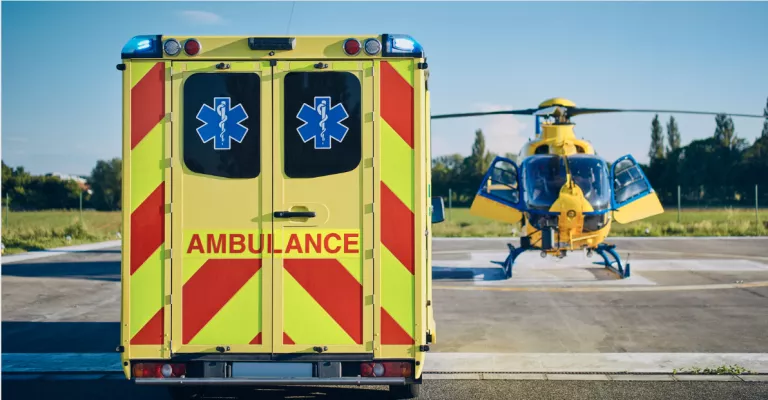
Resilience in Times of Workplace Violence & Local Unrest
The operational consequences are immediate. Facilities may need to close without notice. Employees may be unable to reach or remain at their worksite. Command structures can break down when leadership teams are displaced or unreachable. Customer-facing operations go dark. And without a plan already in place, the decisions that need to happen in the first hours — where do teams go, how do we communicate, who is authorized to act — get made under pressure without structure.
Workplace violence incidents, active threat scenarios, protests, riots, and broader civil disruption events each create distinct continuity challenges. What they share is this: organizations that have planned for them in advance respond faster, protect more people, and resume operations sooner than those that haven’t. Continuity planning for these scenarios isn’t a pessimistic exercise; it’s a practical one.
Agility Keeps Your Workforce Safe & Your Operations Running

Risk & Vulnerability Assessments
Agility identifies the factors that increase your exposure to workplace violence and civil unrest events like access points, workforce density, location characteristics, and local conditions and quantifies the potential operational impact so your organization can prioritize preparedness investments.

Scenario Testing & Exercises
Tabletop exercises and scenario-based simulations help teams practice response protocols, clarify roles, and uncover gaps before an incident occurs. Agility’s certified business continuity planners lead exercises that reflect realistic threat scenarios for your industry and location.

Rapid Workspace & Command Support
If a facility becomes unsafe or inaccessible, Agility rapidly deploys alternate workspace and temporary command hubs so your people have a place to work and your leadership has a place to coordinate. Mobile recovery resources are deployable across North America with short notice.

Communications Readiness
Ensuring robust redundancy for emergency alerts, notifications, and internal communications is critical during unrest. Agility helps your organization identify communication vulnerabilities and implement resilient pathways so your teams stay informed and connected regardless of what’s happening outside.

Business Continuity Team, Scotiabank
Talk to a Workplace Violence & Local Unrest Recovery Expert
More for Workplace Violence & Local Unrest

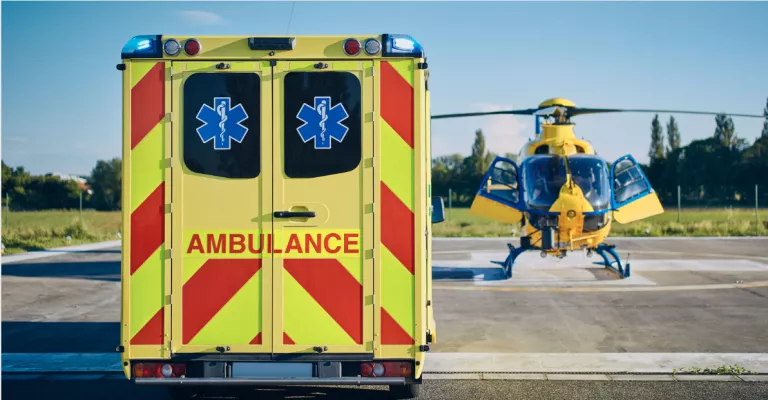
Create Your Workplace Resilience Plan
Protecting people and preserving operations doesn’t happen by chance. Agility helps organizations prepare for workplace violence and civil unrest scenarios before they occur — so your team knows what to do, where to go, and how to keep working when safety is at risk.
Frequently Asked Questions
- What’s the difference between a workplace safety plan and a continuity plan? +
-
A workplace safety plan focuses on protocols during immediate threats — how to respond when an incident is occurring, how to evacuate, and how to protect people in the moment. A continuity plan ensures critical operations can continue or recover quickly after a disruption, regardless of cause. For workplace violence and civil unrest scenarios, both are necessary and work together. Agility helps organizations develop and coordinate both so safety response and operational recovery are aligned rather than managed separately.
- What should a workplace violence response plan include? +
-
A workplace violence response plan should cover threat assessment protocols that identify warning signs and escalation procedures before an incident occurs; emergency communication systems that reach all employees quickly and reliably; evacuation and shelter-in-place procedures specific to each facility; designated roles and decision-making authority so teams know who acts and when; alternate workspace arrangements for situations where the primary facility becomes inaccessible; and post-incident recovery steps that address both people and operations. Plans should be tested through tabletop exercises at least annually to validate that procedures work under pressure.
- How does local unrest or civil disruption affect business continuity? +
-
Civil unrest — including protests, riots, and broader community disruption events — can affect business operations even when an organization is not the direct target. Facility access may be restricted by road closures, law enforcement activity, or unsafe conditions in the surrounding area. Employees may be unable or unwilling to travel to worksites. Supply chain and vendor operations can be disrupted if partner locations are affected. Customer-facing operations may need to close temporarily. Organizations in high-density urban areas or locations near frequently targeted sites carry elevated exposure and benefit most from having alternate workspace, remote work protocols, and communication plans established before an event occurs.
- How quickly can Agility deploy resources during a workplace violence or civil unrest event? +
-
Agility maintains a nationwide network of recovery resources that can be mobilized rapidly when a facility becomes unsafe or inaccessible. Through advance planning, Agility stages resources and establishes deployment protocols with your team so that when an event occurs, the response process is already defined. Members with active continuity plans in place gain prioritized access to workspace, command support, and communications resources — reducing the time between an incident and a return to structured operations.