Flood Preparedness Checklist
Read more

When an office floods, most businesses lose more than furniture and flooring. They lose access to their workspace, their systems, and their ability to serve customers — sometimes for days, sometimes for weeks. How quickly you recover depends less on the severity of the flood and more on how prepared you were before it happened.
This post covers what to do in the immediate aftermath of an office flood, how to protect your people and critical assets, and how to keep your business running while your facility is out of commission.
The actions taken in the first hours after a flood significantly affect how long recovery takes and how much the total damage costs. The priority order is consistent regardless of the cause, whether a burst pipe, storm surge, sprinkler failure, or sewage backup.
Water and electricity are the immediate life-safety concern. Do not re-enter the building until the power has been shut off and the space has been assessed. If there is any uncertainty about structural integrity or contamination, particularly with sewage or floodwater from outside, keep people out until a professional has cleared the space.
Before removing a single item or calling a restoration crew, photograph and video the entire affected area. Capture water levels, damaged equipment, furniture, and building materials. This documentation is essential for insurance claims and, in regulated industries, for compliance records.
Most commercial property policies have reporting windows. Call as soon as possible after ensuring safety. Ask specifically about coverage for business interruption, temporary relocation costs, and equipment replacement, not just physical property damage.
If you have a pre-contracted recovery plan, this is when it activates. Your provider can begin coordinating temporary workspace, equipment, and logistics while you’re still managing the immediate situation on-site. The earlier you make this call, the faster alternative operations can begin.
People need to know what happened, what it means for them, and what the plan is, even if the plan is still being formed. A brief, factual update is better than silence. Designate one person to manage communications so the message stays consistent.
Once safety is confirmed and documentation is done, the focus shifts to limiting further damage.
Do not power on water-damaged electronics. Move undamaged equipment to a dry area or off-site storage as quickly as possible. Servers, workstations, and networking gear are priorities, but only move them if you can do so safely.
Paper records exposed to water deteriorate fast, particularly in warm or humid conditions. Prioritize anything irreplaceable: signed contracts, financial records, compliance documents. Wet paper can sometimes be salvaged if frozen quickly; a document recovery specialist can advise.
Depending on your industry, damaged inventory may need to be documented and disposed of under specific protocols. Healthcare facilities, food service operations, and financial institutions often have regulatory requirements around what can and cannot be salvaged.
The biggest operational question after a flood is where your people work and how they access the systems they need. The answer depends on what you had in place before the flood happened.
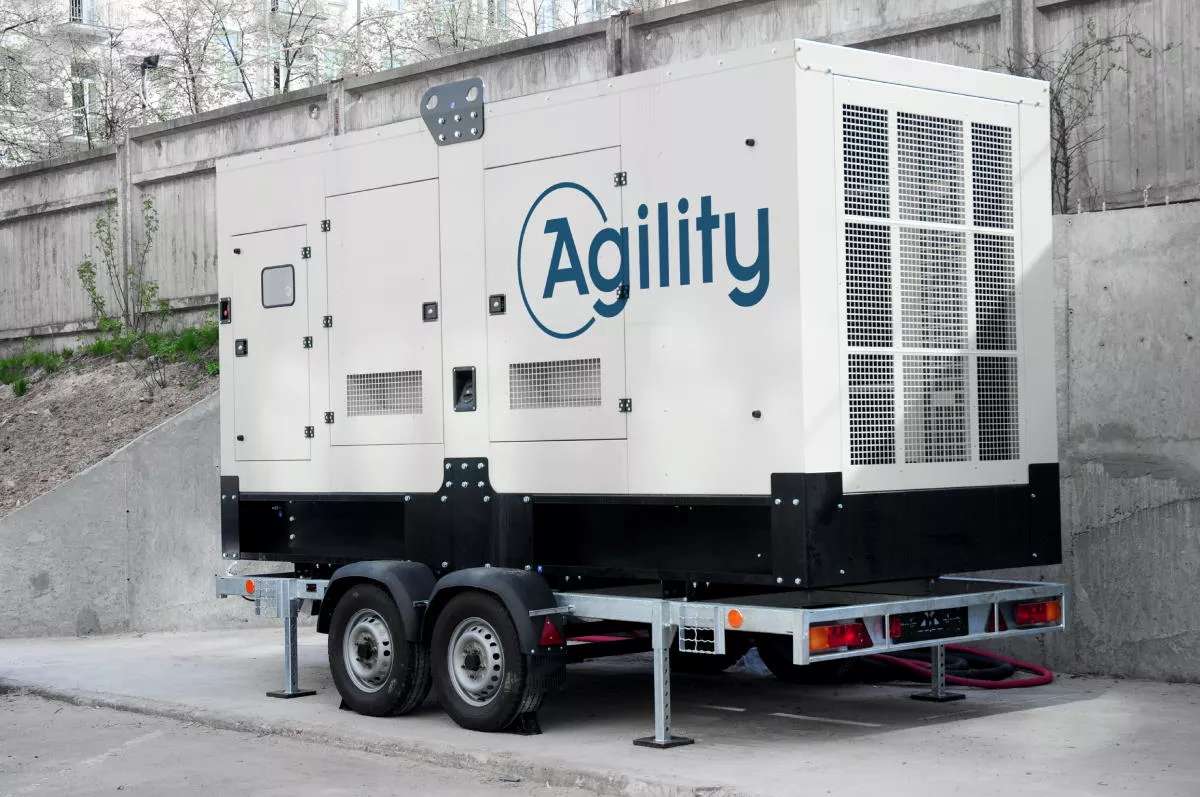
For businesses that cannot shift fully to remote work, or where in-person operations are essential, a temporary workspace solution gets employees back to functioning workstations quickly, often at or near the affected location. Mobile office units, trailer-based workspace, and pre-configured office setups can be deployed within hours for businesses with pre-contracted recovery services.
For roles that can operate remotely, activating a remote work protocol immediately limits how much revenue and productivity is lost during the transition. The key is having remote access to critical systems established in advance — VPN access, cloud-based files, communication tools — so the switch requires no setup under pressure.
Identify which customer commitments are most time sensitive and prioritize those first. Communicate proactively rather than waiting for customers to follow up. For vendor relationships, notify key suppliers of the situation early, particularly if it affects order fulfillment, service delivery, or payment timing.
A flood is one of the most common and disruptive events a business can face, and it is also one of the most revealing. Organizations that recover quickly almost always had a few things in place before the event:
Knowing in advance who is responsible for what — safety, communications, insurance, facilities, IT, operations — removes the confusion and delay that compounds damage in the early hours.
Businesses that have established relationships with a recovery provider don’t have to start from scratch in the middle of a crisis. Equipment, workspace, and logistics are already arranged. The call activates the plan rather than starting a search.
Backup systems — data backups, remote access, communication protocols — that have never been tested often fail when they’re needed. Regular testing is the only reliable way to know your plan works.
Understanding which functions are most critical to revenue and operations, and what the cost of downtime is for each, shapes how recovery resources get prioritized. Without it, decisions get made on gut feel under pressure.
If a flood has revealed gaps in your plan, the time to address them is during recovery — not after the next event.
Find out what a temporary workspace solution looks like for your business.