
Banks and credit unions manage highly sensitive financial information, making them prime targets for cyberattacks. As the frequency and sophistication of cyber threats continue to rise, financial institutions must prioritize robust cybersecurity measures. These five key cybersecurity essentials are crucial for protecting your institution’s operations and maintaining customer trust.
1. Ransomware Impact Analysis (RIA)
Ransomware attacks are among the most devastating cyber threats for financial institutions. Attackers can lock access to critical systems and demand payment to restore it, causing operational paralysis. A ransomware impact analysis (RIA) helps assess your institution's exposure to ransomware threats and prepares a proactive strategy to reduce the risk of being targeted. Solution: Regular ransomware risk assessments are essential to understanding your vulnerabilities. Agility Recovery's cyber solutions offer the tools to identify potential weaknesses and create a customized response plan, helping your institution prepare for and recover from a ransomware attack.
2. Penetration Testing
Penetration testing simulates real-world cyberattacks on your systems, uncovering vulnerabilities before attackers can exploit them. This proactive measure ensures that security gaps are identified and addressed early. For banks and credit unions handling sensitive customer data, regular penetration testing is crucial to stay ahead of potential threats and improve your overall security posture. Solution: Schedule penetration tests at regular intervals to strengthen your defenses. Agility’s business continuity testing and planning helps financial institutions uncover security gaps and implement necessary improvements, ensuring your systems are resilient against cyber threats.
3. Data Backup & Recovery
Data is the backbone of any financial institution. Losing access to customer or transactional data could cause irreversible damage to your business. A robust data backup and recovery strategy ensures that, in the event of a cyberattack or system failure, data can be quickly restored, minimizing operational disruption. Solution: Regular data backups and a well-prepared recovery plan are crucial to minimizing downtime. Agility’s data backup and recovery solution provides secure offsite data storage and rapid recovery services, allowing financial institutions to quickly restore critical systems and maintain continuity in the event of an attack.
4. Multi-Factor Authentication (MFA)
Implementing multi-factor authentication (MFA) is one of the most effective ways to enhance cybersecurity. MFA requires users to verify their identity through multiple forms of authentication, such as passwords, fingerprints, or mobile codes. This additional layer of security significantly reduces the risk of unauthorized access, safeguarding sensitive financial data from cybercriminals. Solution: Equip your institution with the necessary hardware and infrastructure to support MFA across all critical systems. Agility’s technology equipment solutions provide the tools you need to implement secure access controls, helping to prevent unauthorized users from accessing sensitive information.
5. Tech Recovery (Quickship Solution)
In the event of a cyberattack or hardware failure, critical equipment may be compromised, leading to prolonged downtime. Financial institutions cannot afford extended disruptions, as they can severely impact operations and customer service. Agility’s Quickship solution ensures that pre-configured, imaged laptops and other essential technology can be delivered quickly, helping your business get back online without delay. Solution: Agility’s technology equipment solutions provide immediate access to the hardware needed to restore operations. With the ability to deliver critical equipment within hours, Agility helps financial institutions avoid expensive delays and resume normal business activities swiftly.
Additional Tips for Cybersecurity Resilience
In addition to the top five cybersecurity essentials, financial institutions can further enhance their security posture by investing in employee training and cybersecurity awareness programs. Educating staff on common cyber threats, such as phishing and social engineering, can prevent inadvertent security breaches. Well-trained employees are often the first line of defense against cyberattacks. Regular audits of third-party vendors and their cybersecurity practices are also critical. Since financial institutions often rely on external service providers for various operations, ensuring that these vendors adhere to strong security standards is essential for maintaining the integrity of your data and systems.
Take Action
By focusing on these cybersecurity essentials, banks and credit unions can strengthen their defenses against evolving cyber threats while maintaining customer trust. Implementing these proactive measures will reduce the risk of costly breaches and help your institution stay resilient in the face of cyberattacks. Contact Agility Recovery today to learn more about how our services can help protect your financial institution and support your overall cybersecurity strategy.
Testing your business continuity plan allows you and your workforce to exercise how to approach an incident and find gaps in the plan to address where it needs improvement. Even though a developed business continuity plan provides your organization with the tools to predict, drafting a plan is only half the battle. Businesses face myriad threats , from a rodent infestation to a planned renovation. A developed business continuity plan provides your organization with the tools to predict, prevent, and respond to risk efficiently. The strategy ensures that the organization and its clients will remain operational with minimal to no downtime or threat to operations. However, drafting a plan is half the battle. What’s most important is ensuring your business continuity strategy is sound, useful, and practical. This is where testing your plan comes into play. Testing business continuity allows you and your workforce to exercise how to approach an emergency and find gaps in the plan to address where it needs improvement.
Types of Business Continuity Tests
Plan Review
A plan review is much like an audit of the BCP. The BCP team and the C-level management or department heads get together to review the plan and decide if any components are missing or need revision. This type of test is beneficial for training new members of the BCP team or in regular onboarding. Among other aspects reviewed during a meeting are contact information, the validity of recovery contracts, and coverage of applicable business continuity and disaster recovery scenarios. A plan review may also include training new managers on plan details so they can pass that knowledge down to their teams.
Tabletop Test
This is a more involved way of reviewing and testing a BCP. Employees participate in an actual exercise during a tabletop—a scenario-based, role-playing exercise. Everyone involved practices their roles and responsibilities during an emergency, such as an earthquake, hurricane, or active shooter.
Walk-Though/Simulation Test
A BCP simulation test is a more hands-on type of tabletop exercise. While a tabletop test, as the name suggests, typically consists of discussing plan details around a table, a simulation test combines real recovery actions. It can be data loss and restoring backups, live testing of redundant systems, network outage, physical recovery, emergency notification, and other relevant processes. In addition to critical personnel, all employees would be involved in this BCP event testing process.
Frequency of Business Continuity Plan Testing
The frequency of testing your BCP depends on your company. We recommend evaluating each of your emergency preparedness plans, such as business continuity, disaster recovery, incident response, and other plans, during a year. Testing would typically include an annual tabletop exercise or a walk-through test of all individual EPP plans, including testing various scenarios for threats that are a high risk to your organization. Make sure to continually test those scenarios of higher priority to your organization. Many factors can help you determine how often your organization needs to test its EPP plans.
- – Employee count changes
- – Changes in clients/vendors or their contact information
- – Department changes
- – Employee job function updates
- – Structural changes to the building
The size, location, and how often your company goes through changes are typically the most significant factors in determining how often you should test your BCP. Enterprise companies and employees who experience regular turnover should be updating and testing their BCPs twice a year. For small to mid-sized organizations, it is recommended to do a run-through test once a year to make sure that the plan is still effective and all staff is refreshed on what to do in the event of an emergency.
Involving Vendors in Your BC Testing
In the course of your testing process, whether you’re doing a plan review, tabletop test, or simulation test, you need to make sure your critical vendor partners are included in your testing. Verifying that your vendors are prepared for the unexpected and have a contingency plan is essential, as it allows for greater accuracy and usability of your strategy. It also allows your vendors to provide feedback that may be valuable to your plans or testing process.
Document the Testing Process
Finally, it’s necessary to document the results of any testing conducted, along with any actionable findings from those tests. Doing so will help your workforce learn what can and should be improved and visualize progress that’s been made. Following up on these items and consolidating recommendations from tests is the most crucial process in the BCP testing lifecycle. Testing, registering your testing results, and executing methods to improve your BCP is the most reliable way to strengthen your organization’s response processes.
September is National Preparedness Month—a time to reflect on the importance of being ready for any unexpected events that could disrupt your business.
At Agility Recovery, we believe that resilience is built through proactive planning, continuous improvement, and a commitment to safeguarding your organization. To help you take meaningful action this month, we’ve compiled a list of 10 actionable steps your business can take to enhance its resilience. Let’s dive in!
1. Review and Update Your Business Continuity Plan (BCP)
Your business continuity plan is the cornerstone of your preparedness strategy. Regularly reviewing and updating it ensures that it reflects your current operations, personnel, and technology.
2. Test Your Data Recovery Plan
Disaster recovery testing is essential to validate that your data and IT systems can be restored efficiently. Schedule a full-scale disaster recovery exercise to ensure your team is prepared to respond quickly. Discover our data backup and recovery solutions here.
3. Conduct a Ransomware Impact Analysis
Ransomware is a growing threat, and understanding its potential impact on your business is crucial. Assess how a ransomware attack could affect your operations, data, and finances, and develop strategies to mitigate these risks.
4. Secure Backup Power Solutions
Power outages are among the most common disruptions businesses face. Ensure you have reliable backup power solutions, such as generators, to keep your operations running. Find out more about backup power options here.
5. Train Your Team on Emergency Response Procedures
A well-trained team is your first line of defense in an emergency. Conduct regular training sessions to ensure everyone knows their roles and responsibilities during a crisis.
6. Assess Supply Chain Vulnerabilities
Supply chain disruptions can have a significant impact on your operations. Evaluate your supply chain partners for vulnerabilities and develop contingency plans to mitigate these risks. Learn more about supply chain resilience strategies here.
7. Implement a Crisis Communication Plan
Clear communication is vital during any disruption. Establish a crisis communication plan that outlines how you’ll communicate with employees, customers, and stakeholders. Learn more about crisis communications here.
8. Review Your Insurance Coverage
Make sure your insurance policies adequately cover the types of risks your business faces. This includes property damage, business interruption, and cyber incidents.
9. Enhance Cybersecurity Measures
Cyber threats are on the rise, and a robust cybersecurity strategy is essential. Regularly update your security protocols, conduct vulnerability assessments, and train employees on cyber hygiene. Learn about strengthening your cybersecurity here.
10. Engage in Community Preparedness Initiatives
Building resilience isn’t just about your business—it’s also about your community. Participate in local preparedness initiatives, share resources, and collaborate with other businesses to strengthen collective resilience.
Get Started
Taking these steps during National Preparedness Month will position your business to weather disruptions and recover swiftly. At Agility Recovery, we’re here to support you every step of the way with comprehensive solutions tailored to your needs. Ready to take action? Talk to an Agility Recovery expert today . Stay resilient, stay prepared!
2024 has seen a significant uptick in ransomware attacks, affecting organizations across various industries. These cyber incidents have caused substantial financial losses, operational disruptions, and reputational damage.
Here’s a look at some of the major ransomware attacks this year and how cyber resilience solutions can help businesses both mitigate these risks and recover swiftly.
Notable Ransomware Attacks in 2024
1. Ascension Health System
In May 2024, Ascension, a major health system, experienced a ransomware attack that disrupted clinical operations across 140 hospitals. The attack resulted in compromised patient data and significant operational downtime.
2. Change Healthcare
A February attack on Change Healthcare, a leading healthcare platform, exposed sensitive patient data. This breach highlighted vulnerabilities in healthcare IT systems and the critical need for multi-factor authentication (MFA).
3. UnitedHealth Group
In early 2024, UnitedHealth Group faced a ransomware attack that disrupted its pharmacy services. The attack, attributed to the BlackCat ransomware group, caused widespread service interruptions and exposed critical data.
4. Schneider Electric
Schneider Electric, a global leader in energy management, was targeted by the Cactus ransomware group. The attack disrupted operations and exposed sensitive corporate information.
Solutions to Boost Your Resilience Against Ransomware Attacks
Agility Recovery offers comprehensive cyber solutions designed to enhance your business's resilience against ransomware attacks. Here’s how our solutions can help mitigate risk and ensure quick recovery:
1. Penetration Testing (PEN Testing)
Regular penetration testing is essential to identify and address vulnerabilities in your systems before cybercriminals can exploit them. By simulating real-world cyberattacks, our PEN testing services help you stay ahead of evolving threats and strengthen your defenses.
2. Ransomware Impact Analysis (RIA)
A ransomware impact analysis evaluates your business’s susceptibility to ransomware attacks and helps you develop effective mitigation strategies. This proactive approach ensures that you can identify weaknesses, prepare response plans, and minimize the impact of potential attacks.
3. Data Backup and Recovery
Ensuring your data is regularly backed up and easily recoverable is vital for business continuity. Our data backup and recovery solutions enable you to restore critical information quickly, minimizing downtime and financial losses in the event of an attack.
4. Cybersecurity Tabletop Exercises
Conducting tabletop exercises allows your team to practice responding to simulated cyber incidents in a risk-free environment. These exercises improve coordination, communication, and preparedness, ensuring your team can respond effectively to real-world threats.
5. Multi-Factor Authentication (MFA) Implementation
Implementing MFA adds an extra layer of security by requiring multiple forms of verification before granting access to sensitive information. This significantly reduces the risk of unauthorized access and enhances your overall cybersecurity posture.
Take Action
The major ransomware attacks of 2024 underscore the urgent need for robust cybersecurity measures. Agility Recovery’s comprehensive cyber solutions can help you mitigate the risk of ransomware attacks and ensure your business can recover quickly. Don’t wait for an attack to take action – talk to an Agility cyber resilience expert about how to proactively protect your business today.
In today's digital landscape, cyberattacks have become an ever-present threat to businesses of all sizes.
Among these threats, ransomware attacks stand out as particularly disruptive and damaging. They can halt operations, compromise sensitive data, and cause significant financial losses. As businesses seek robust strategies to mitigate these risks, a ransomware impact analysis (RIA) emerges as a critical tool in supporting business continuity and protecting against cyberattack interruptions.
Understanding Ransomware Impact Analysis (RIA)
Ransomware impact analysis (RIA) is a proactive approach that assesses the potential effects of a ransomware attack on a business's operations. This comprehensive analysis evaluates the vulnerabilities within the organization, the potential impact of a ransomware event, and the preparedness of the business to respond and recover.
Key Benefits of RIA for Business Continuity
- Identifying Vulnerabilities: RIA helps businesses identify and understand their specific vulnerabilities to ransomware attacks. By conducting a thorough assessment, organizations can pinpoint weak spots in their systems, processes, and protocols that could be exploited by cybercriminals. This knowledge allows businesses to prioritize and implement targeted measures to strengthen their defenses.
- Assessing Impact: Understanding the potential impact of a ransomware attack is crucial for effective business continuity planning. RIA provides a detailed analysis of how different areas of the business could be affected, including financial losses, operational disruptions, and reputational damage. This insight helps businesses prepare for various scenarios and develop strategies to minimize the impact on critical operations.
- Enhancing Incident Response: A well-prepared incident response plan is essential for minimizing downtime and ensuring a swift recovery from a ransomware attack. RIA assists in developing and refining these plans by identifying gaps and weaknesses in current response strategies. This ensures that businesses are equipped with the necessary tools, processes, and resources to respond effectively to an attack.
- Improving Recovery Time: The speed at which a business can recover from a ransomware attack is a critical factor in minimizing losses and restoring normal operations. RIA helps businesses identify key recovery metrics and establish benchmarks for acceptable recovery times. This enables organizations to set realistic expectations and allocate resources efficiently to achieve rapid recovery.
- Strengthening Data Protection: Data is often the primary target of ransomware attacks, making robust data protection measures essential. RIA evaluates the effectiveness of existing data backup and recovery systems, ensuring that critical data can be restored quickly and accurately in the event of an attack. This not only minimizes downtime but also reduces the likelihood of paying ransoms to retrieve encrypted data.
- Supporting Compliance: Many industries are subject to regulatory requirements related to data protection and cybersecurity. RIA helps businesses ensure compliance with these regulations by identifying areas where improvements are needed. This proactive approach not only reduces the risk of penalties but also demonstrates a commitment to safeguarding sensitive information.
Implementing RIA in Your Business Continuity Strategy
To effectively integrate RIA into your business continuity strategy, consider the following steps:
- Conduct Regular Assessments: Ransomware threats are constantly evolving, making regular assessments essential. Schedule periodic RIA assessments to stay ahead of emerging threats and adapt your strategies accordingly.
- Engage Key Stakeholders: Involve key stakeholders from various departments, including IT, finance, operations, and legal, in the RIA process. Their insights and expertise will provide a holistic view of the potential impact and ensure comprehensive preparedness.
- Invest in Training and Awareness: Educate employees about the risks of ransomware and the importance of cybersecurity best practices. Regular training sessions and awareness campaigns can significantly reduce the likelihood of successful attacks.
- Test and Refine Incident Response Plans: Conduct regular drills and simulations to test the effectiveness of your incident response plans. Use the findings to refine and improve your strategies, ensuring that your team is well-prepared to respond to an actual attack.
- Leverage Advanced Technologies: Utilize advanced cybersecurity technologies, such as artificial intelligence and machine learning, to detect and prevent ransomware attacks. These tools can provide real-time threat intelligence and enhance your overall security posture.
Take Action
In an era where ransomware attacks are becoming increasingly sophisticated, a ransomware impact analysis (RIA) is an indispensable tool for businesses seeking to protect themselves from cyberattack interruptions. By identifying vulnerabilities, assessing impact, enhancing incident response, and strengthening data protection, RIA supports robust business continuity and ensures that organizations can navigate the ever-evolving cybersecurity landscape with confidence. Talk to an Agility Recovery expert today about how we help businesses safeguard their future and maintain uninterrupted operations in the face of cyber threats.
In an era where cyber threats are constantly evolving, businesses must stay one step ahead to protect their critical assets and ensure operational continuity.
Penetration testing, commonly known as pen testing, is a powerful tool in the cybersecurity arsenal, enabling businesses to identify vulnerabilities before cybercriminals can exploit them. At Agility Recovery, we emphasize the importance of pen testing as a proactive measure to enhance business resilience against cyberattacks. Here’s how penetration testing can fortify your organization’s defenses and ensure a robust security posture.
Understanding Penetration Testing
Penetration testing involves simulating real-world cyberattacks on an organization’s IT infrastructure, applications, and networks to uncover vulnerabilities. Skilled ethical hackers, also known as penetration testers, use a variety of techniques to mimic the strategies of malicious attackers. The goal is to identify security weaknesses, assess the potential impact of an attack, and provide actionable recommendations to mitigate risks.
Key Benefits of Penetration Testing
- Uncovering Hidden Vulnerabilities: Pen testing helps businesses discover vulnerabilities that may not be apparent through regular security assessments. By adopting the mindset of a hacker, penetration testers can identify weaknesses that automated tools might miss, providing a comprehensive view of the organization’s security posture.
- Validating Security Measures: Regular penetration testing validates the effectiveness of existing security measures. It ensures that firewalls, intrusion detection systems, and other security controls are functioning as intended. This validation helps organizations build confidence in their security infrastructure and identify areas for improvement.
- Enhancing Incident Response: Pen testing exercises an organization’s incident response capabilities. By simulating a cyberattack, businesses can evaluate how well their teams detect, respond to, and mitigate threats. This real-world testing helps refine incident response plans, ensuring a swift and effective reaction to actual cyber incidents.
- Meeting Compliance Requirements: Many industries are subject to stringent regulatory requirements regarding data protection and cybersecurity. Penetration testing helps businesses meet these compliance standards by demonstrating a proactive approach to identifying and addressing security risks. It also provides documented evidence of security efforts, which can be crucial during audits.
- Protecting Reputation and Trust: A data breach can severely damage a company’s reputation and erode customer trust. Penetration testing helps prevent such breaches by identifying and addressing vulnerabilities before they can be exploited. This proactive approach not only protects sensitive data but also reinforces the organization’s commitment to security, enhancing customer confidence.
Implementing Penetration Testing in Your Security Strategy
To maximize the benefits of penetration testing, businesses should integrate it into their overall security strategy. Here’s how:
- Conduct Regular Testing: Cyber threats are constantly evolving, and new vulnerabilities emerge regularly. Schedule regular pen testing to stay ahead of potential threats and ensure continuous improvement of your security posture.
- Engage Experienced Professionals: Partner with experienced and certified penetration testers who possess the expertise to conduct thorough and effective assessments. Their deep understanding of current attack vectors and techniques is essential for identifying sophisticated threats.
- Prioritize Findings: After a pen test, prioritize the identified vulnerabilities based on their potential impact and likelihood of exploitation. Develop a remediation plan to address high-risk issues promptly, ensuring that critical weaknesses are resolved first.
- Integrate with Security Programs: Incorporate the findings from penetration tests into your broader security programs, including risk management, incident response, and employee training. This integration ensures a holistic approach to cybersecurity, reinforcing your organization’s resilience against attacks.
- Foster a Security-First Culture: Encourage a culture of security awareness throughout the organization. Regularly communicate the importance of cybersecurity, provide ongoing training, and promote best practices among employees. A vigilant and informed workforce is a key component of a robust security posture.
Get Started: Fortify Your Defenses with Pen Testing
In today’s cyber threat landscape, proactive measures are essential for protecting business operations and sensitive data. Penetration testing offers a strategic approach to identifying and mitigating vulnerabilities, helping businesses strengthen their resilience against cyberattacks. At Agility Recovery, we believe that pen testing is a vital component of a comprehensive cybersecurity strategy, enabling organizations to stay one step ahead of cybercriminals and ensure uninterrupted operations. Invest in penetration testing today to uncover hidden vulnerabilities, validate your security measures, and protect your organization from the ever-evolving threat of cyberattacks. With a proactive approach to cybersecurity, you can build a resilient and secure future for your business. Talk to an Agility Recovery expert today about how we help businesses safeguard their future and maintain uninterrupted operations in the face of cyber threats.
In the dynamic landscape of healthcare, ensuring compliance with regulatory standards is crucial. And for healthcare facilities in Florida, adherence to 58A-ER1-7, the emergency rule set by the Agency for Health Care Administration (AHCA), is paramount. This regulation mandates specific emergency preparedness measures, including a critical requirement for facilities to maintain power for at least 96 hours during natural disasters and other emergencies. Agility Recovery, a leader in business continuity and disaster recovery solutions, plays a pivotal role in helping healthcare facilities achieve and maintain compliance with this stringent power requirement.
How 58A-ER1-7 Protects Patients
The origins of 58A-ER1-7 can be traced back to the tragic events following Hurricane Irma in 2017. The storm, which caused widespread destruction across Florida, led to the deaths of several residents at a nursing home in Hollywood Hills due to power loss and subsequent heat exposure. This incident highlighted the critical need for robust emergency power systems in healthcare facilities. In response, the state of Florida implemented emergency rules to ensure that all healthcare facilities could maintain safe and continuous operations during and after such disasters. The 96-hour power requirement was designed to prevent a recurrence of such tragedies and to safeguard the well-being of vulnerable patients.
Agility Recovery: Your Partner in Power Compliance
Agility Recovery offers a suite of services designed to help healthcare facilities meet the stringent 96-hour power requirement of 58A-ER1-7. Here’s how:
1. Comprehensive Power Assessments
Agility Recovery begins by helping facilities assess their current power capabilities and identify any gaps in compliance. This includes analyzing existing backup power systems, fuel storage capacities, and power distribution infrastructure.
2. Provision of Backup Generators
To ensure compliance with the 96-hour power mandate, Agility Recovery delivers backup generators capable of sustaining critical operations, including life-support systems, medical equipment, and essential utilities, for the required duration. Having a reliable backup to your onsite backup generator ensures your facility’s resilience against major regional events and equipment failure.
3. Fuel Management Solutions
Maintaining a sufficient fuel supply is crucial for meeting the 96-hour requirement. Agility Recovery offers comprehensive fuel management solutions, including on-site fuel storage and regular refueling services. Our solutions not only ensure that healthcare facilities have a reliable and continuous fuel supply during emergencies, but also help save on recovery costs. While local suppliers suffer shortages and price surges, Agility assures access to the resources you need at a pre-negotiated rate.
4. Testing and Maintenance Services
Agility Recovery provides licensed maintenance services for backup power systems. This includes regular testing and servicing to ensure that all equipment is in optimal condition and ready to activate immediately in the event of a power outage.
Case Study: Agility Recovery in Action
A healthcare facility in Florida partnered with Agility Recovery to enhance their emergency power preparedness. Agility conducted a thorough assessment of the facility’s power systems and identified areas for improvement. We helped to expand their backup power resilience established a fuel management plan, and conducted power recovery testing exercises with their operations team to ensure employees had a clear understanding of the recovery process, as well as their individual roles in a power loss event. When Hurricane Ian struck, the facility was fully prepared to maintain operations and patient safety throughout the storm. The successful response not only ensured compliance with the 96-hour power requirement but also reinforced the facility's reputation for reliability and care.
The Agility Advantage
Choosing Agility Recovery as your partner in power compliance offers several advantages:
- Expertise and Experience: With decades of experience in disaster recovery, Agility brings unparalleled expertise to healthcare facilities.
- Tailored Solutions: Agility provides customized power solutions to meet the unique needs of each member facility.
- 24/7/365 Support: Your Agility Recovery team is standing by 24 hours a day, 365 days a year to provide support and execute your power recovery plan.
- Proven Track Record: Our 100% recovery success rate allows healthcare facilities to rest easy knowing that Agility is here to manage their end-to-end power recovery strategy.
Ready to Get Started?
Compliance with the 96-hour power requirement of 58A-ER1-7 is not just a regulatory necessity; it’s a commitment to the safety and well-being of patients and staff. Agility Recovery’s comprehensive power solutions and expertise make us the preferred recovery partner for healthcare facilities in Florida. As an Agility member, healthcare providers can achieve power compliance with confidence, ensuring they are prepared for any emergency that comes their way. For more information on how Agility Recovery can help your healthcare facility achieve compliance with the 96-hour power requirement of 58A-ER1-7, contact us today.
Business continuity planning is a critical component of any organization’s risk management strategy. By identifying potential threats and developing plans to mitigate their impact, businesses can ensure that they are able to continue operating even in the face of disruptions.
Business continuity testing is an essential part of this process, as it allows organizations to identify any gaps in their plans and make necessary adjustments. In this blog post, we will explore five popular business continuity testing scenarios: storms and other natural disasters, cyberattacks, workplace violence, pandemics, and winter weather.
Storms and Other Natural Disasters
Free hurricane tabletop exercise template

Storms and natural disasters can wreak havoc on businesses, causing significant disruptions and financial losses. From power outages and flooding to hurricanes, earthquakes, and wildfires, these events can pose a serious threat to organizations of all sizes. Having a robust business continuity plan in place is crucial for mitigating the impact of such disasters and ensuring the continuity of operations.
Key Considerations of a Natural Disaster Test Scenario
- Monitoring of real-time conditions
- Communication with employees, both in office and remote (will you need to evacuate?)
- Communication with customers (will you suspend operations?)
- Power outages
- Flooding
- Supply chain disruption
- Infrastructure and structural damage (what if your offices are rendered unaccessible?)
- Loss of data
- Disruption to essential services, including communications
Given the potential impact of these natural disasters, it’s imperative for businesses to conduct thorough business continuity testing to identify vulnerabilities and ensure readiness. By simulating real-life scenarios, organizations can assess their response plans, identify gaps, and make necessary improvements to minimize disruptions and ensure a swift recovery.
Cyberattacks
Free cybersecurity tabletop exercise template
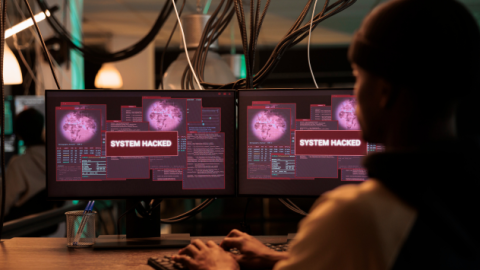
In today’s digital age, businesses are increasingly vulnerable to cyberattacks. These attacks can come in many forms, from data breaches and denial-of-service attacks to malware infections, phishing attacks, and ransomware attacks. Regardless of the type of attack, the consequences for businesses can be devastating, leading to financial losses, reputational damage, and even legal liability.
Key Considerations of a Cyberattack Test Scenario
- Type of cyberattack (e.g., data breach, denial-of-service, malware, ransomware, phishing)
- Types of sensitive data that may be affected (customer, employee, financial, intellectual property)
- Where, how, and how often your data is backed up and how it will be recovered
- Whether your organization will pay a potential ransom
- Involvement of authorities
- Measures to prevent cyberattacks (firewalls, intrusion detection systems)
- Communications with employees, customers, vendors, and regulators
- Effects on client trust
To protect themselves from cyberattacks, businesses need to have a robust cybersecurity plan in place. This plan should include measures to prevent attacks and measures to respond to attacks. Businesses should also educate their employees about cybersecurity risks and how to protect themselves from attacks.
Active Shooter
Free active shooter tabletop exercise template

Workplace violence, including active shooter scenarios, is a serious issue that can have a devastating impact on businesses. It is important for businesses to have an active shooter response plan in place to mitigate the risk of violence and to ensure the safety of their employees, customers, and visitors.
Key Considerations of an Active Shooter Test Scenario
- Potential risks and sources of violence
- Communication with on-site employees and visitors
- Accounting for all on-site personnel
- Involvement of and communication with authorities
- Evacuation and safe room procedures
- Office security
- Communication with news media
- Post-event trauma counseling
- Return-to-office decisions
By including these steps in a business continuity testing scenario, businesses can help ensure the safety of their employees, customers, and visitors.
Pandemics
Free pandemic tabletop exercise template

Pandemics can disrupt businesses in a number of ways, including employee absenteeism, travel restrictions, government-imposed lockdowns and quarantines, and changes in consumer behavior. These disruptions can lead to lost revenue, increased costs, and even business closures.
Key Considerations of a Pandemic Test Scenario
- Monitoring of real-time global health updates
- Infection prevention measures
- Instructions for employees experiencing symptoms
- Accommodations for employees with sick family members
- Potential changes to employee absence and sick leave policies
- When to activate the crisis team
- When or if to have employees work from home
- Communication with employees, customers, and vendors
- Effects on supply chain, productivity, and ability to meet deadlines
- When to resume normal business operations
By taking these steps, businesses can help protect themselves from the impact of a pandemic and ensure the continuity of their operations.
Winter Weather
Free winter weather tabletop exercise template

Winter weather may not always fall under the category of natural disasters, but can have serious effects on a business’s ability to operate and meet customer expectations. Winter weather can include snowstorms, ice storms, icy roads, poor visibility, frozen and burst pipes, and more.
Key Considerations of a Winter Weather Test Scenario
- Real-time monitoring of weather conditions
- Evaluation of how a winter weather event would affect normal operations
- Work-from-home procedures and potential excusing of non-essential employees
- Employees who may need to take care of family members
- Communications with employees, vendors, and customers
- Ability to maintain continuity in case of transportation disruptions and limitations
- Power and communication outages that may last several days
- Damage to physical infrastructure
- Support for employees who are affected by outages or damage
Winter weather isn’t something to take lightly, even if your business is located in a more temperate area. By taking all the above points into consideration, businesses will be better prepared in case of severe winter weather.
Don’t Delay – Test Your Plan Today
We recommend businesses test their business continuity plans at least every six months. We provide a range of testing options to make the process seamless for your organization.
When it comes to business continuity and disaster recovery planning, resilience professionals know that no plan is ready for the real world before it is tested.
There are different test types to choose from, including:
- – Tabletop tests: Employees participate in an actual exercise during a scenario-based, role-playing exercise. Everyone involved practices their roles and responsibilities during an emergency, such as an earthquake, hurricane, or active shooter.
- – Plan reviews: Similar to a business continuity plan audit. The BCP team and the C-level management or department heads get together to review the plan and decide if any components are missing or need revision.
- – Walk-through/simulation tests: A simulation test combines real recovery actions, like data loss, restoring backups, live testing of redundant systems, network outage, physical recovery, emergency notification, and other relevant processes.
In this blog, we'll focus on tabletop testing. With guidance from Agility recovery manager Alysha Hester, we will explore what a tabletop test is, what scenarios it's best suited to address, and how you can use tabletop testing to enhance your organization's resilience.
What Is a Tabletop Test?
A tabletop test is a walkthrough of an actual disaster scenario – like a hurricane , active shooter , or power outage – in real time. This walkthrough allows businesses to talk through reactions and strategies to ensure that department strategies are aligned with all areas of the organization. The walkthrough also allows organizations to gauge individual teams’ readiness levels if a disaster were to occur at that moment.
Think of this as a business continuity plan brainstorming session in real time, but in the safety of your office, outside of the actual disaster.
Alysha Hester Agility Recovery Test & Declare Manager
What Are Tabletop Tests Used For?
Organizations use tabletop tests to test for gaps in written continuity plans . They allow businesses to explore the scenario and identify any dark corners in those plans, providing the opportunity to answer any questions before experiencing an actual event.
Why Do Businesses Use Tabletop Tests?
Tabletop tests are useful for several reasons, including:
- – Identifying recovery gaps in plans, resources, and communication strategies
- – Implementing new training protocols for safety that are identified post exercise
- – Meeting compliance requirements
According to expert Alysha Hester, "I would say the main reason businesses use tabletops is to deep dive into a specific potential disaster to determine findings that could be further explored after the exercise. Once a post-event investigation has been completed, plans would be updated accordingly (and then the cycle of testing starts over so you can explore if these new adjustments provided greater resilience during a disaster."
Pros and Cons of Tabletop Testing vs. Other Types of Tests
Why implement tabletop exercises instead of other types of tests and exercises? Ultimately, we advise utilizing all types of exercises, but tabletop tests are a great place to start.
Pros:
- – Test the specific people and processes documented in your organization’s BCP
- – Can be done virtually to conveniently include all staff (including hybrid employees or third-party vendors/MSPs)
- – Low- to no-cost option
Cons:
- – Creating exercises internally can be extremely time consuming and take some creative thought.
For additional value, consider involving a 3rd party perspective in facilitation if you feel your tabletop exercises have become more of a check-the-box type of event or a BCP/incident response read-through.
Alysha Hester Agility Recovery Test & Declare Manager
- – Tabletop tests can’t test the physical components of the recovery, so it still may be unknown if some IT and manual processes will function as expected at the time of the disaster as discussed in an exercise.
After the Tabletop Exercise
So you've completed your tabletop exercise – now what? One of the most critical outputs of any test or exercise is identifying gaps and areas for improvement . These could include realizing there is no personnel redundancy, not knowing how to get in touch with remote employees , or not having enough people who know how to access important information. Document this information and use it to update your organization’s business continuity plan . Then, be sure to update your organization on any new plans and procedures. In doing so, you'll be more prepared for any interruption that may affect the business. Ready to get started? Agility provides free tabletop exercise templates ; we can also create a custom tabletop exercise and run it with your organization. Reach out to us today !
Every business faces various winter weather threats during the snowy season, from strong rainstorms and ice to plummeting temperatures. Knowing the tactical steps to prepare your business for winter weather is essential to avoid downtime. Being prepared with an actionable plan will minimize the impact inclement weather can have on your employees, customers, and revenue. Having actionable resources at hand will help your team be educated on what to do in extreme winter weather conditions and actions they need to avoid to stay safe. An effective way to strategize is to enlist a team of people to perform a winter weather tabletop exercise. This exercise should last between two to three hours, spending time as a group defining the risks of extreme winter weather, exploring different scenarios, and putting together a plan of action to use when winter weather strikes. Performing this task as a group is an excellent way to cover the entire scope of possibilities and solutions during a winter weather crisis. If you want to ensure you remain in business all winter, this exercise will help you formulate your business’s best plan.
Consider All Risks
The first step when preparing for winter weather disruptions is to define all of the possible risks of not being ready for a storm and how they will impact your organization as a whole. With proper preparation, the avoidance of these risks If severe winter weather hits the area where your business is located, the following could potentially occur:
- Power loss
- Fires
- Floods
- Communications disruptions
- Supply chain disruption
- Property damage
- Employee injury or illness
- Transportation disruption
- Automobile/other transportation accidents
- Compromised access to facilities
- Personal exhaustion, hypothermia, heart attack
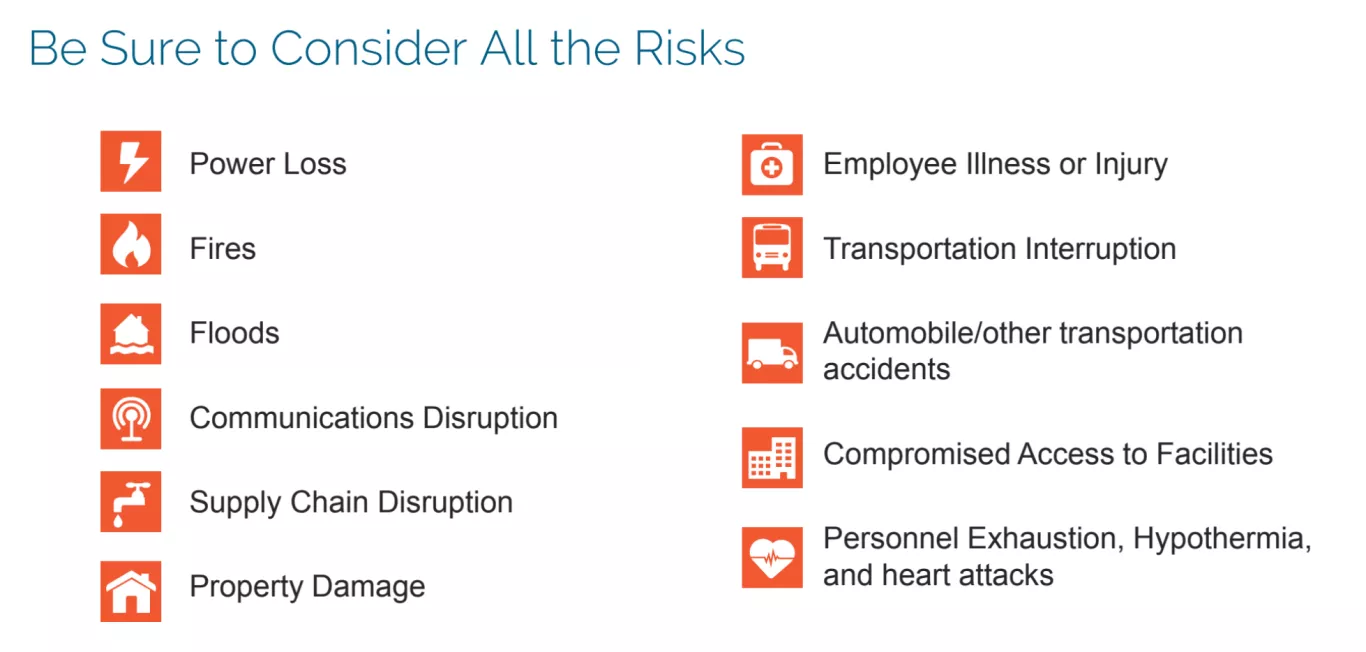
It is essential to evaluate potential risks and outcomes to create an efficient inclement weather plan. Each business will have unique risks, so defining the possible scenarios ahead of time is important. Troubleshooting will eliminate most of the risks, and having risk management strategies outlined will ensure handling the events will be managed quickly and effectively. Once you have isolated and defined individual risks, it is good to prepare a plan of action for each incident. Having all bases covered is key to keeping business continuity intact during the winter months.
Drafting Winter Storm Plans in Stages
Before the Storm
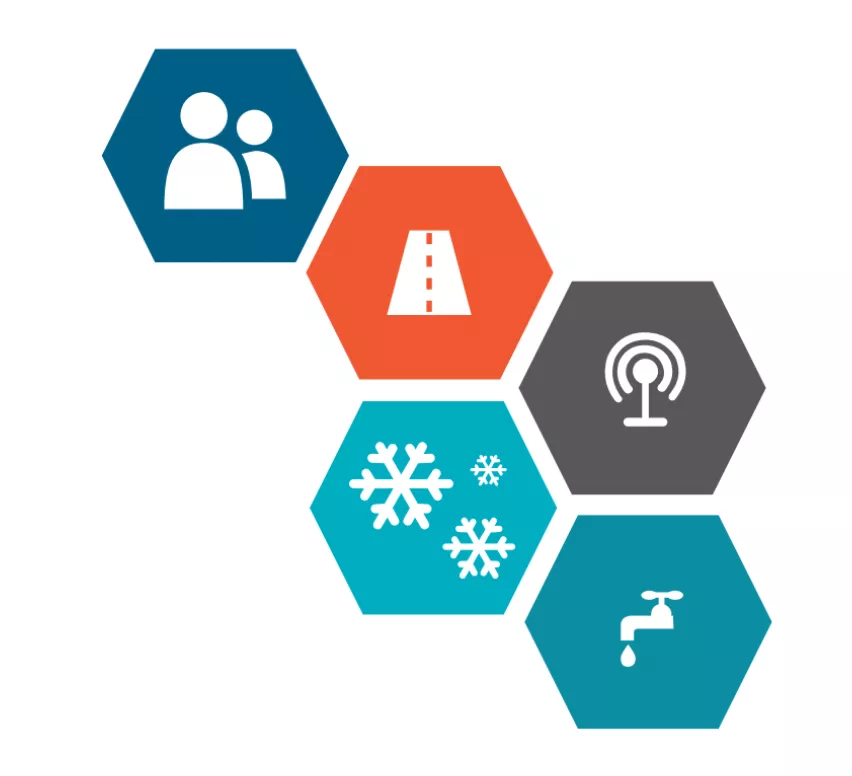
The worst possible scenario for a business is to attempt to cobble together a plan when a storm is on its way or already in your area. Covering these elements ahead of time will enable you to move straight to your plan of action when the storm hits:
- Review insurance coverage (flooding)
- Evaluate the potential risks to determine your business’s most detrimental risks and their potential outcomes: loss of heat, frozen pipes, and inability to access your business site due to snow and ice.
- Identify who will be in charge of clearing the snow and ice from the property – the business owner or landlord.
- Establish a procedure for restoring electrical service on an item-by-item basis (know your electrical load demands ahead of time)
- Determine alternate routes to access business in the event ice or snow blocks main entrances
- Establish an inclement weather attendance policy for employees
- Meet with and discuss your winter weather preparedness plans with your vendors
- Stockpile emergency supplies as needed
- Rocksalt, snow equipment remover, kitty litter, and sand
- Service generators and top off fuel reserves
- Ensure all battery-powered devices have new batteries or crank/solar chargers
- Establish shelter locations and stockpile supplies on location for your employees
- Know ahead of time what local broadcasters will publish the status of your business to the public
- Ensure redundant communication channels (phone lists of employees and their relatives/spouses, backup email addresses, etc.)
- Establish remote access to your corporate website to update your business’s status to vendors
Winter weather is challenging to plan for due to its unpredictable nature. Winter storms are apt to occur with little to no warning, so creating and reviewing a solid plan will prevent panic, leading to serious mishaps and consequences.
During the Storm
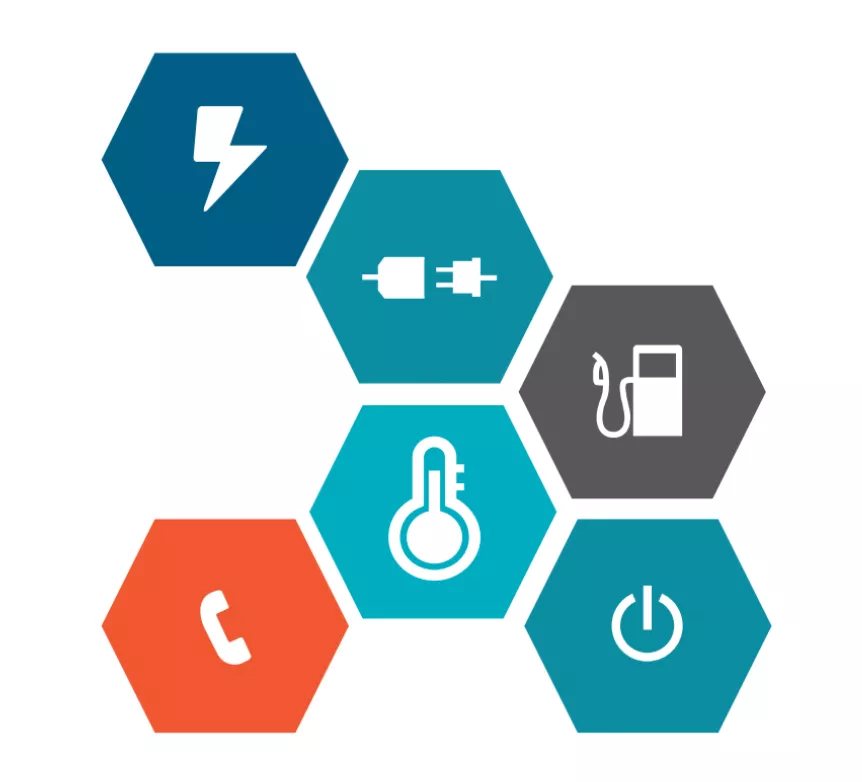
Now that you are in the midst of the storm, it is time to implement your plan. If your business has participated in a winter weather tabletop exercise, you can handle events associated with harsh weather as they occur.
- Stay informed and communicate regularly.
- Watch for rapidly changing weather conditions.
- Ensure employee and customer safety and well-being.
- Stay indoors as much as possible.
- Work periodically to keep doorways, walkways, and driveways clear of ice.
- Let faucets drip to keep water flowing in the case of prolonged, low temperatures.
- Keep the contact information for your heating contractor, plumber, fire department, insurance agent, and building owner accessible.
- If your building will remain vacant for a long period of time, assign someone to check indoor temperatures
- Do not overload circuits in your facility with space heaters or other large appliances.
- Locate your emergency weather radio.
- Conserve fuel if necessary.
- Locate water, gas, and power shut-off locations.
Knowing your business’s specific protocol for handling winter weather is imperative to keeping your business up and running during a storm and maintaining operations during prolonged bad weather.
ZERO HOUR: When a Storm is Imminent
You and your team have done the work, researched, and created a safety plan tailored to your business’s operations. Now it is time to implement the procedure and watch as your business weathers the storm.
- Follow the plan. Be decisive and trust the plan.
- Stay abreast of the storm’s status to avoid surprises.
- Alert 3rd party crisis response providers.
- Enact emergency evacuation or shelter-in-place plans for employees.
- Activate your crisis communication plan.
- Secure facilities, buildings, and inventories.
- Don’t be complacent during downtime (losses can incur quickly).
- BE PREPARED TO SELF-SUSTAIN FOR 72 HOURS OR MORE.
Common Mistakes Made During Crisis
- Ignoring warnings
- Being unprepared for long-term power and communication outages
- Unprepared for generation connection (no transfer switch, fuel provider, spider box, or working knowledge of load requirements)
- Failure to prepare for supply chain disruptions
- Failure to adequately stock emergency supplies
- Failure to communicate
- Failure to obtain adequate insurance coverage for loss of use, loss of revenue, and added expense
- Failure to establish emergency procedures and providers for call forwarding, temporary power, communications provider, etc.
It is very easy to panic when wintery weather threatens your business’s continuity. Knowledge of potential mistakes that happen gives the team working on this exercise the power to make the plan as failsafe as possible.
Winter Weather Preparedness Checklist
Our team of experts has put together a brief yet comprehensive winter weather preparedness checklist for your convenience. Use it to help guide your workforce through the most basic safety steps. Aside from the tactical steps, supplies, such as non-perishable foods, need to be prepared in advance:
- Bottled water (at least one gallon per person per day for at least three days)
- Canned goods, especially cozy, warming foods like soups and stews
- Snack foods like chips, crackers, and cookies in sealed packages
- Cereal and granola
- Anything jarred, from jellies to pickles to meats
- Canned tuna and salmon
- Dried pasta and jarred sauce
- Wax-sealed hard cheeses
- Salted butter, which lasts longer at room temperature than unsalted butter
- Dried fruit
- Nuts
- Jerky
- Energy bars
- Shelf-stable juice
- Coffee, tea, and hot cocoa mix (and maybe some marshmallows)
- Extra paper products like toilet paper and paper towels
Learn the Difference Between Winter Weather Advisories, Watches, and Warnings
According to FEMA, these define the three winter weather advisories: Winter Weather Advisory is issued when snow, blowing snow, ice, sleet, or a combination of these wintry elements is expected, but conditions should not be hazardous enough to meet warning criteria. Be prepared for winter driving conditions and possible travel difficulties. Use caution when driving. Winter Storm Watch is issued when conditions are favorable for a significant winter storm event. Heavy sleet, heavy snow, ice storms, blowing snow, or a combination of these events are possible. Winter Storm Warnings are issued for a significant winter weather event, including snow, ice, sleet, blowing snow, or a combination of these hazards. Travel will become difficult or impossible in some situations. Delay your travel plans until conditions improve. If you are armed with this information, you and your team will be able to plan for the worst and expect the best. Agility Recovery Solutions helps businesses plan for unexpected business interruptions, avoid unexpected interruptions, and become resilient. In the event your business is affected by a disastrous winter storm, Agility Recovery Solutions is there to help you remain in business. Our mission is to reduce the impact of business interruptions on organizations and the communities they serve. We help businesses stay in business. Our purpose is to help businesses be prepared before, during, and after an incident. After decades of helping businesses recover from real disasters and manage through emergency messaging incidents, we bring the collective experiences of thousands of hours in the field. We’ve evolved into the leading business continuity and disaster recovery end-to-end solution in the market.