Beyond Compliance: Leveraging Cyber Solutions for Strategic Business Advantage
Read more
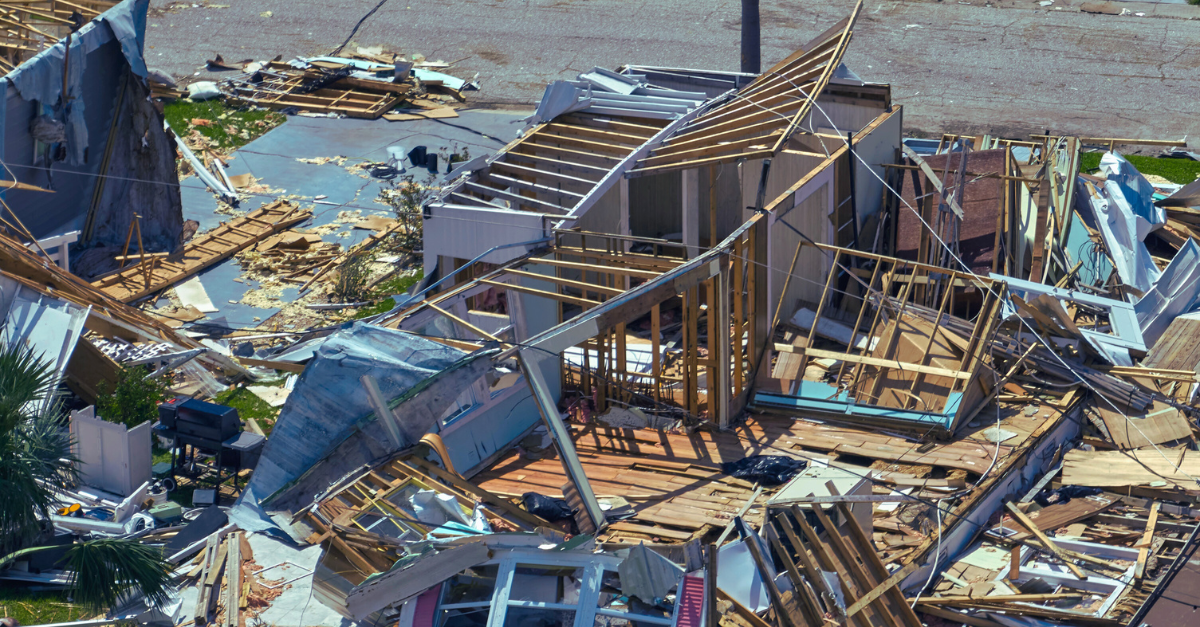
Every year, storm season brings familiar challenges: power outages, property damage, supply chain disruptions, and employee displacement. But one growing—and often overlooked—threat during these natural disasters is cyberattacks.
Severe weather and cybercrime may seem unrelated at first glance. But when you take a closer look, the connection becomes clear: disasters disrupt normal defenses, creating opportunities for bad actors to strike.
When a storm hits, organizations are forced into reactive mode. Attention shifts to immediate physical threats—like keeping the power on and protecting facilities. That shift opens the door to cybercriminals who know exactly when and where systems may be vulnerable.
Here’s how disasters can increase your cyber risk:
Recent studies show a rise in cyberattacks immediately following major natural disasters. According to the FBI and CISA, phishing and ransomware campaigns often intensify in the days and weeks following hurricanes, wildfires, and floods, targeting affected regions and industries known to be under stress.
Organizations without a strong business continuity and cyber resilience strategy are especially vulnerable.
While you can’t stop the storm, you can prepare your systems and people to stand strong against both environmental and cyber threats. Here’s how:
Understand what’s at stake. A ransomware impact analysis helps identify your most critical systems, evaluate your recovery time objectives (RTOs), and test how long you could withstand an attack before operations suffer.
Storm season can knock out primary data centers or cloud access. Make sure your data backup systems are current, tested, and geographically distributed. Offline or immutable backups can be your last line of defense in both weather and ransomware scenarios.
When storms force teams to work remotely, ensure that home office setups are secure. This means:
Disasters don’t happen in a vacuum. Run tabletop scenarios that simulate power loss, followed by a phishing attempt or data breach. This helps teams practice responding to overlapping threats.
Invest in mobile generators or backup power solutions to keep essential systems online—even during grid outages. This continuity is crucial for keeping cybersecurity defenses operational.
Train your team to recognize common post-disaster phishing tactics. During storms, attackers impersonate emergency alerts, HR communications, or even disaster relief organizations. The more prepared your people are, the smaller your attack surface.
Storm season doesn’t just test your physical infrastructure—it tests your entire business ecosystem, including your digital defenses. The overlap between severe weather and cyberattacks is real, and the best defense is a resilient, well-practiced plan that accounts for both.