Empowering Healthcare: How ReadyTechGo Keeps a Staffing Agency Connected Through Power Outages
Read more
Power outages aren’t just a seasonal inconvenience anymore. They’re becoming a year-round reality—and they’re lasting longer, striking more often, and affecting more people than ever before.
While storms, aging infrastructure, and extreme temperatures have long been known causes of blackouts, there’s a new factor quietly adding strain to the grid: artificial intelligence.
Yes—AI is now part of the power outage conversation. But it’s not the only driver. Here’s why businesses should expect more frequent and prolonged outages in the years ahead, and what you can do now to stay ahead of the disruption.
AI models—especially those powering large language models, image generators, and enterprise automation tools—require enormous computing power. That computing power depends on energy-hungry data centers.
As businesses and consumers adopt more AI-powered tools, energy demand from AI infrastructure is projected to skyrocket—putting massive pressure on local and national grids already struggling to keep up.
AI is just one piece of the puzzle. Record-breaking heat waves, driven by climate change, are becoming more frequent and intense—especially across the southern and western U.S.
High temperatures create a perfect storm for power outages:
In 2023, the U.S. saw the highest number of grid emergencies and energy conservation alerts in over a decade, largely due to heat and fire risks. And as temperatures rise, so does the threat of cascading failures.
Much of the U.S. power grid was built in the 1950s and ‘60s—and it’s showing its age. Add in population growth, electrification of vehicles and buildings, and surging AI energy needs, and the result is a fragile, overstressed system.
Outages that once lasted minutes now stretch into hours—or even days.
As power becomes less predictable, resilience becomes a strategic advantage. Here’s how to stay protected:
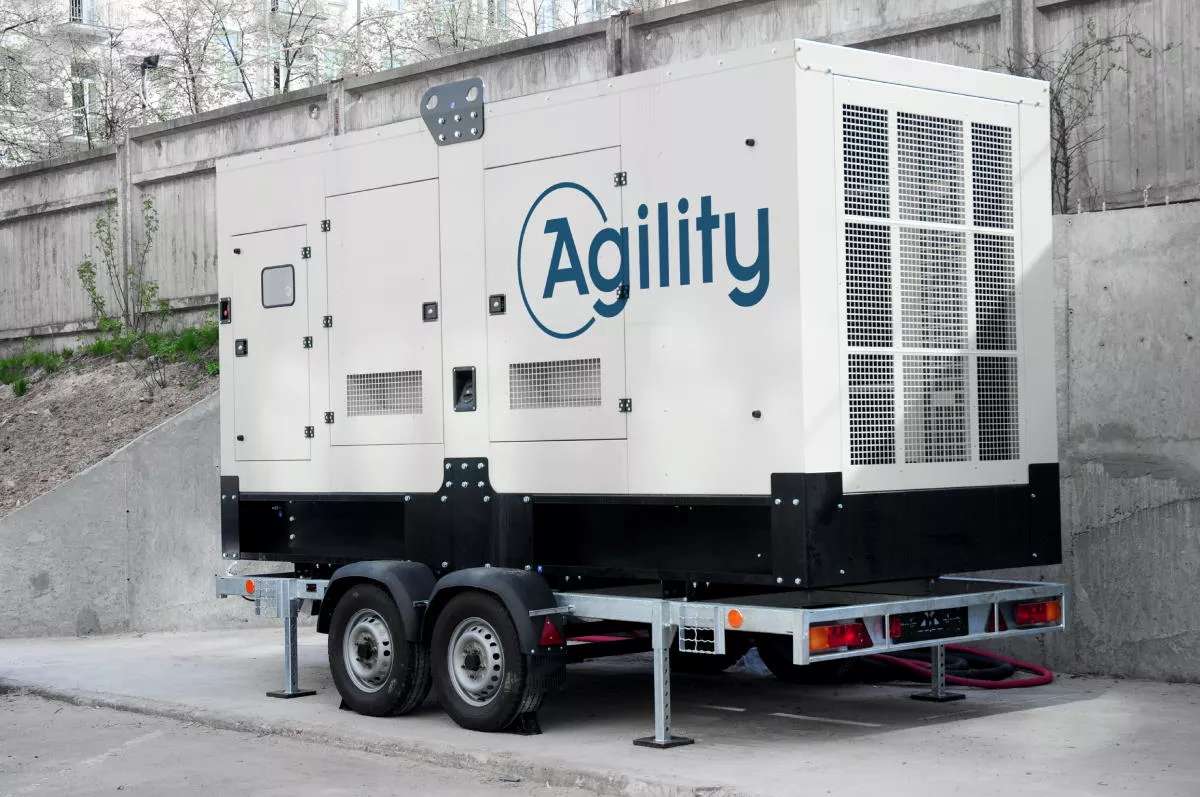
Mobile on-demand generators, permanent installations, and fuel service contracts ensure your operations continue—even during a grid failure. Choose scalable solutions on your critical loads and budget. An on-site backup generator may seem like the simplest solution, but this option can be costly and requires regular maintenance and testing to ensure your equipment will rise to the occasion when needed.
On-demand generator and fuel solutions are a smart option for businesses that require redundancy to ensure 24/7 power to critical equipment. They are also a cost-effective alternative for businesses that do not have space for a permanent installation or that do not want to make a massive investment in purchasing and maintaining their own generator.
Assess your location’s exposure to extreme weather, grid instability, or wildfire-related shutoffs. Urban areas may face different risks than rural or coastal ones.
Make sure your business continuity plan includes detailed steps for power loss, including:
Run simulations and tabletop exercises that account for long-term outages. Confirm your plan works for an outage that lasts hours or even days.
Consider options like battery storage, solar power, or hybrid energy systems for essential operations. Reducing demand helps you ride out outages and reduce downtime.
We often think of AI and smart tech as tools of the future—but they also introduce very real risks in the present. AI isn’t the villain behind every blackout, but its massive power demands are colliding with a strained and outdated grid.
When combined with intensifying weather and rising energy needs, it’s clear that power outages will be more frequent, longer-lasting, and less predictable in the years ahead.
Smart businesses aren’t waiting for the lights to go out. They’re preparing now—with backup power, continuity planning, and trusted recovery partners.
At Agility Recovery, we help organizations of all sizes stay connected, productive, and protected—no matter what’s happening to the grid.