Alert & Declare: (877) 364-9393
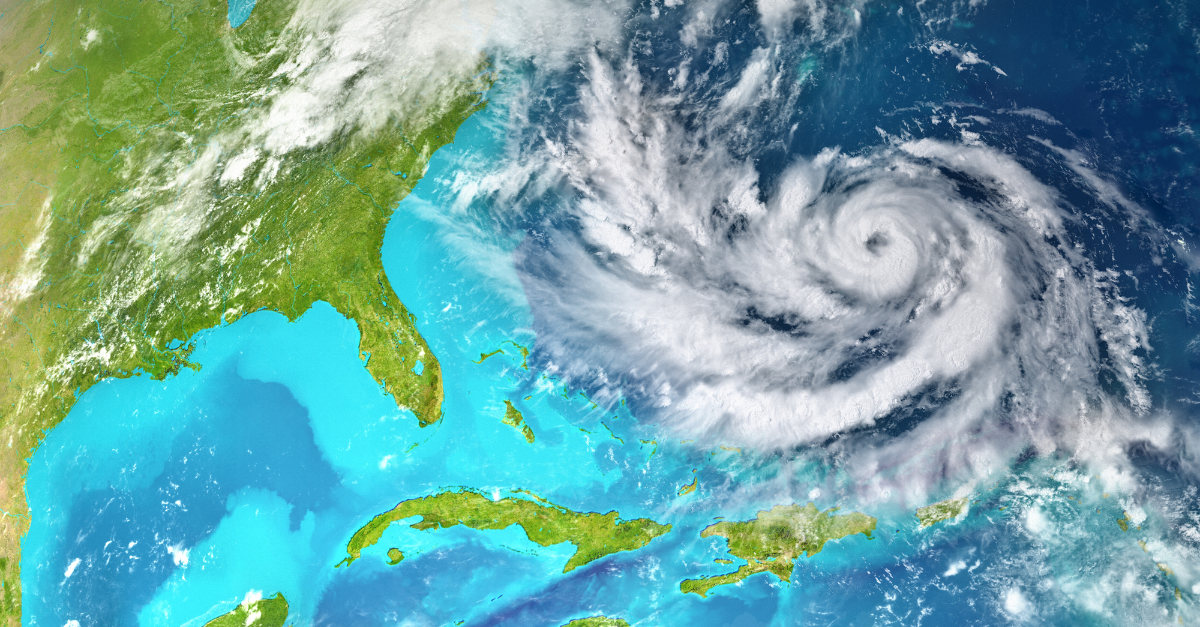
Satellite image of hurricane near east coast of USA
blog

2026 Hurricane Season Outlook: What Businesses Need to Know—and How to Prepare 

As the 2026 Atlantic hurricane season approaches, leading forecasts from both AccuWeather and Colorado State University Tropical Meteorology Project point to a moderate season—but with meaningful risk for U.S. businesses

And as history continues to prove, “average” doesn’t mean “safe.”

What the 2026 Forecast Predicts 

According to AccuWeather: 

  • 11–16 named storms  
  • 4–7 hurricanes  
  • 2–4 major hurricanes (Category 3+)  
  • 3–5 direct U.S. impacts expected  

Key risk zones include: 

  • The northern Gulf Coast  
  • The Carolinas and Southeast U.S.  

Importantly, “direct impact” doesn’t require landfall—it includes: 

  • Flooding rain from offshore systems  
  • Storm surge  
  • Tropical-storm-force winds reaching land  

The CSU Perspective: Why “Average” Seasons Still Cause Major Damage 

Forecasts from Colorado State University Tropical Meteorology Project add critical context: 

  • The long-term average (1991–2020) includes:  
    • ~14 named storms  
    • ~7 hurricanes  
    • ~3 major hurricanes  
  • Recent seasons have trended above normal in overall energy (ACE)—a measure of storm strength and duration  
  • Even in seasons with limited U.S. landfalls, storms can still be:  
    • Extremely intense  
    • Highly destructive internationally  
    • Operationally disruptive across supply chains  

The takeaway: Storm count ≠ business impact 

A single storm—or even a near miss—can trigger widespread disruption. 

The Wildcard: El Niño and Shifting Risk 

Both forecasts point to a developing El Niño pattern, which typically: 

  • Reduces the number of storms  
  • But does not eliminate high-impact events 

At the same time: 

  • Atlantic waters remain warm enough to fuel storm development  
  • Rapid intensification remains a growing concern  
  • Late-season volatility is possible depending on El Niño timing 

This creates a dangerous dynamic: Fewer storms overall, but less predictable, higher-impact events.  

Why This Matters for Business Continuity 

Hurricanes rarely disrupt just one system—they trigger cascading operational failures, including: 

  • Prolonged power outages  
  • Loss of connectivity and communications  
  • Facility damage or inaccessibility  
  • Workforce disruption  
  • Supply chain interruptions  

And with storms strengthening faster than ever, response windows are shrinking—making preparation more critical than prediction. 

How Businesses Should Prepare Now 

Preparedness isn’t about having a plan—it’s about ensuring your plan works under real conditions. Testing your plan ahead of an interruption allows you to close gaps, clarify roles, demonstrate readiness, and build muscle-memory among teams.  

Here’s how to operationalize readiness across the five core pillars of business continuity: 

  1. Power: Plan for Extended Outages 
  • Plan for multi-day outages, not short disruptions 
  • Prioritize critical systems and locations 
  1. Connectivity: Maintain Operational Uptime 
  • Test failover capabilities 
  1. Communications: Stay in Control During Chaos 
  • Define a clear communication chain of command 
  1. Workspace: Prepare for Physical Displacement 
  • Plan for on-site recovery where possible (especially customer-facing operations) 

The Takeaway 

The 2026 hurricane season may appear “average” on paper—but the risk to your business is anything but. As some will recall, the 2005 season seemed mild until late-season storms, including Hurricane Katrina, resulted in regional devastation, long-term interruptions, and countless permanent closures. 

Between: 

  • Multiple expected U.S. impacts 
  • Warmer ocean conditions 
  • And rapid intensification trends 

…the real threat is operational disruption—not storm count. After all, it only takes one storm to test your entire business continuity strategy.  

The organizations that recover fastest won’t be with the best plans on paper; they’ll be the ones that prepared, tested, and operationalized their response before the storm formed.