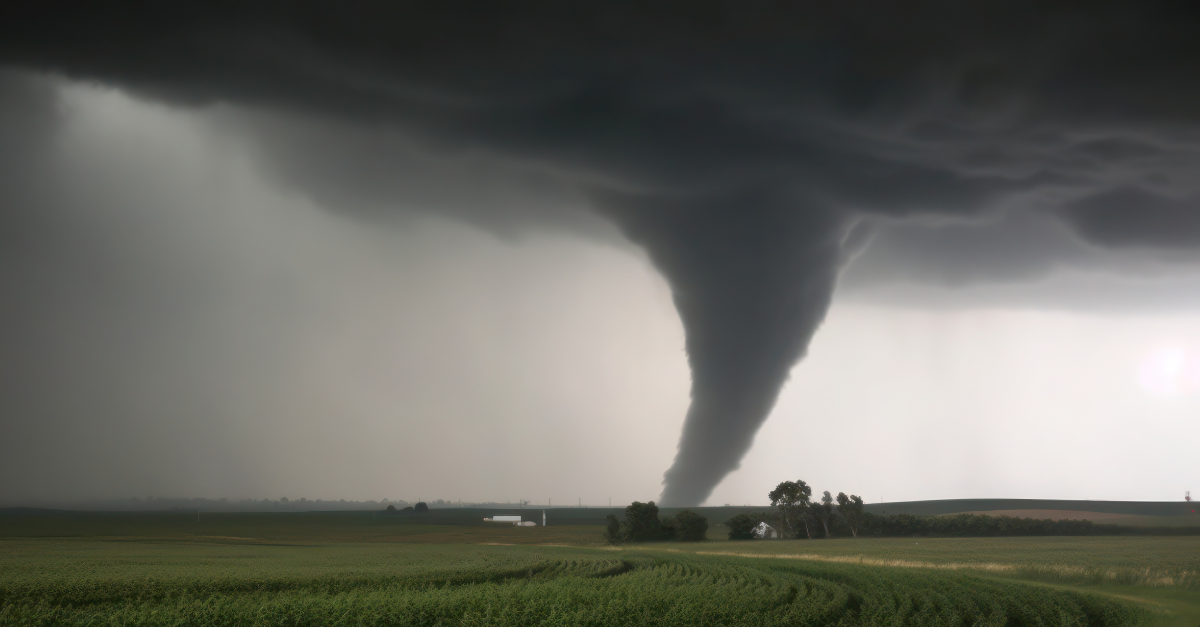
Tornado Tabletop Exercise
Read more

A major climate shift may be on the horizon. According to AccuWeather, conditions are aligning for a potential El Niño to develop in 2026—bringing with it widespread and often unpredictable impacts across the United States.
El Niño is part of a larger climate pattern driven by warming ocean temperatures in the Pacific. As those temperatures rise, they disrupt global weather systems—shifting storm tracks, altering precipitation patterns, and increasing volatility across regions.
If El Niño develops, businesses should prepare for less predictable and more uneven weather impacts, including:
The key takeaway: this is not a “one-risk” scenario—it’s a volatility scenario.
El Niño challenges a common assumption in resilience planning: that risk follows predictable seasonal patterns. Instead, organizations may face simultaneous or unexpected disruptions—from flooding and power outages to supply chain delays and workforce displacement.
Resilient businesses don’t try to predict every outcome—they prepare across core operational dependencies:
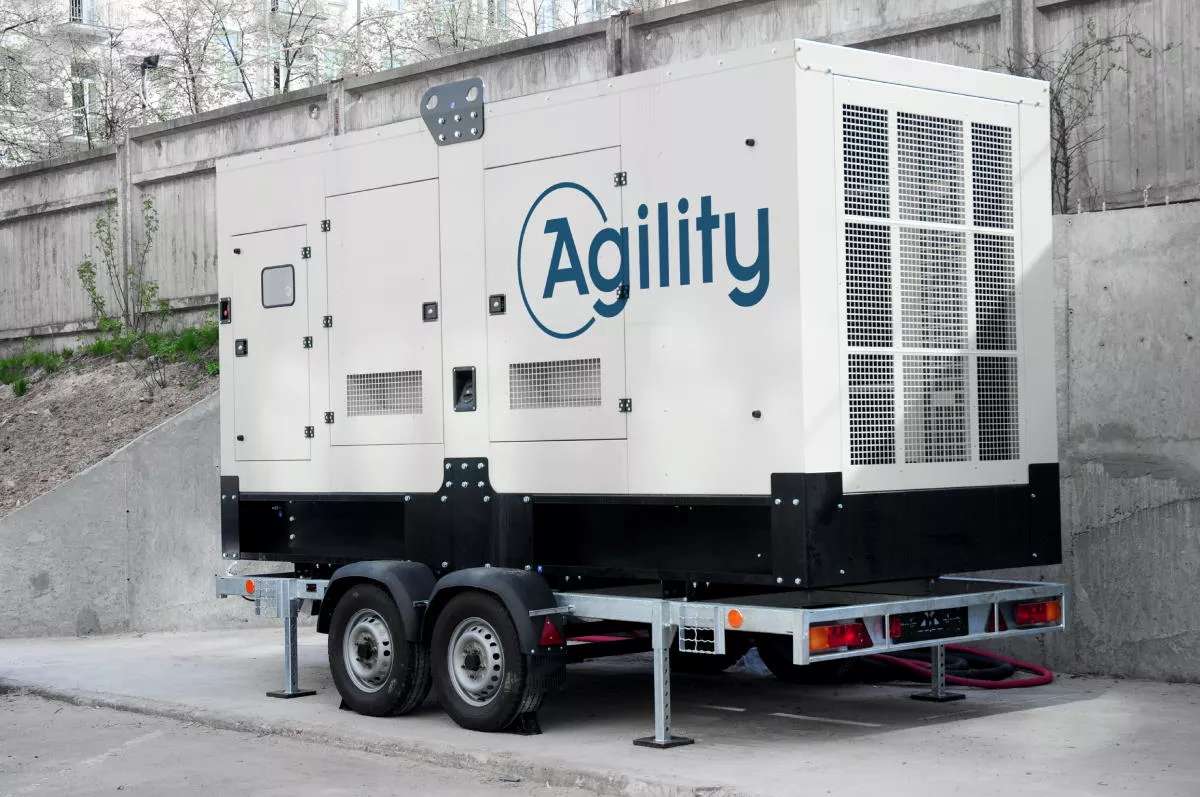
Severe storms, grid strain, and extreme heat all increase the likelihood of outages.
Recommendations:
Connectivity disruptions—whether from fiber cuts, network outages, or infrastructure damage—can halt operations instantly.
Recommendations:
Clear, timely communication is essential to maintaining trust and reducing confusion.
Pre-event:
Post-event:
Tools matter: Platforms like MyAgility enable organizations to send targeted email and SMS alerts to specific groups—ensuring the right people get the right information at the right time.
Flooding, storm damage, or unsafe conditions can make primary facilities unusable.
Recommendations:
Even the best plan fails if teams don’t know how to execute it.
Recommendations:
Tabletop exercises ensure your team doesn’t just have a plan—they can execute it under pressure.
El Niño is a powerful reminder that disruption doesn’t follow a script. As climate patterns shift, so do the risks businesses face.
The organizations that come out ahead won’t be the ones who guessed right—they’ll be the ones who prepared across every critical dependency: power, connectivity, communications, workspace, and people.
Because when volatility increases, resilience becomes a competitive advantage.